As the days grow shorter and cooler, many older adults spend more time indoors. Routines shift, social plans pause, and feelings of loneliness can quietly increase. If you are noticing this in yourself or a loved one, you are not alone. Regular companionship, whether from family, friends, or a professional caregiver, can make each day feel brighter, safer, and more purposeful. Here is how connection supports wellbeing, and practical ways to bring more of it into daily life.
Why companionship matters for seniors
Human connection supports emotional health at every age. For older adults, consistent companionship can:
- Lift mood and reduce feelings of isolation or worry.
- Encourage daily routines that keep you active, nourished, and engaged.
- Support memory through conversation, music, and familiar activities without promising medical change.
- Promote safety at home through reminders, a second set of eyes, and calm problem solving.
- Build confidence to get out into the community, attend appointments, and enjoy social events.
When you have someone you trust to talk with, share meals with, and plan activities with, life feels more predictable and meaningful. This sense of normalcy is especially helpful during seasonal transitions.
Signs your loved one may be feeling isolated
It is not always obvious when isolation is taking a toll. Watch for:
- Withdrawing from usual hobbies, clubs, or faith activities.
- Changes in sleep, appetite, or personal care.
- Forgetting appointments or losing track of the day.
- A home that feels less tidy or organized than usual.
- Comments like, “I do not want to bother anyone,” or “There is nothing to do.”
If you notice several of these signs, consider small steps to increase social contact. A few light changes can have a big impact.
Simple ways to combat senior isolation
You do not need elaborate plans to boost connection. Start with approachable ideas that fit your schedule and interests.
- Set a weekly rhythm. Choose a regular video call, tea time, or short walk on the same day and time. Predictable touchpoints make connection easier to keep.
- Pair tasks with company. Invite a neighbour or family member to fold laundry together, prep a simple meal, or sort photos. Light tasks can spark warm conversation.
- Create a social calendar. Post dates for community centre activities, library talks, or virtual classes. Aim for at least one social event each week.
- Use music and stories. Build playlists from favourite decades or artists, and try short reminiscence chats about life moments. This can ease anxiety and create joy.
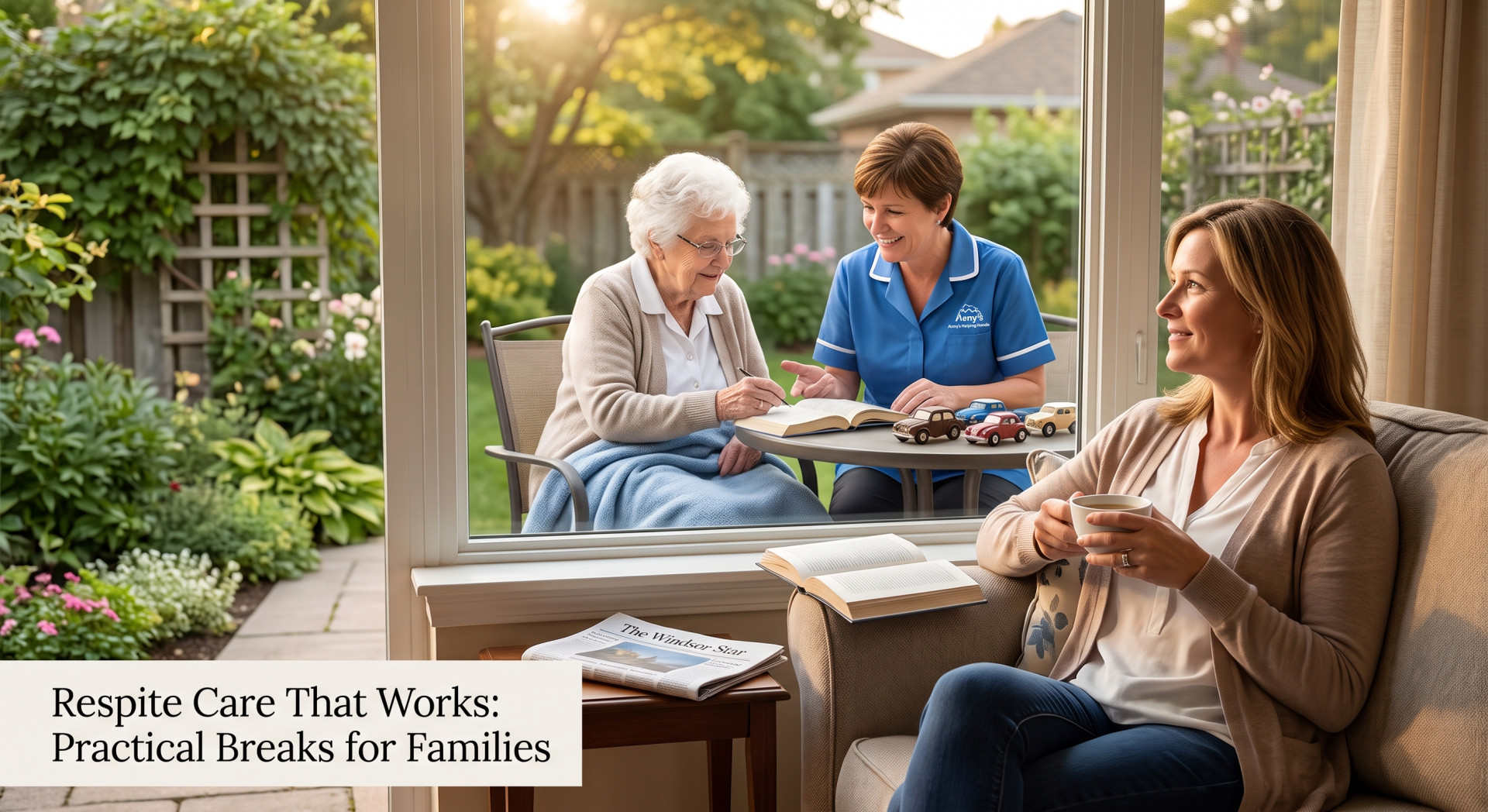
- Bring the outdoors in. Sit by a bright window, care for a houseplant, or enjoy a cup of tea on the porch. Fresh air and light improve mood.
- Leverage safe transportation. Rides to appointments, fitness classes, and faith gatherings open doors to connection when driving is no longer preferred.
- Ask for help early. A few hours a week of companion care can prevent loneliness from becoming overwhelming, especially heading into autumn.
How caregivers support emotional wellbeing
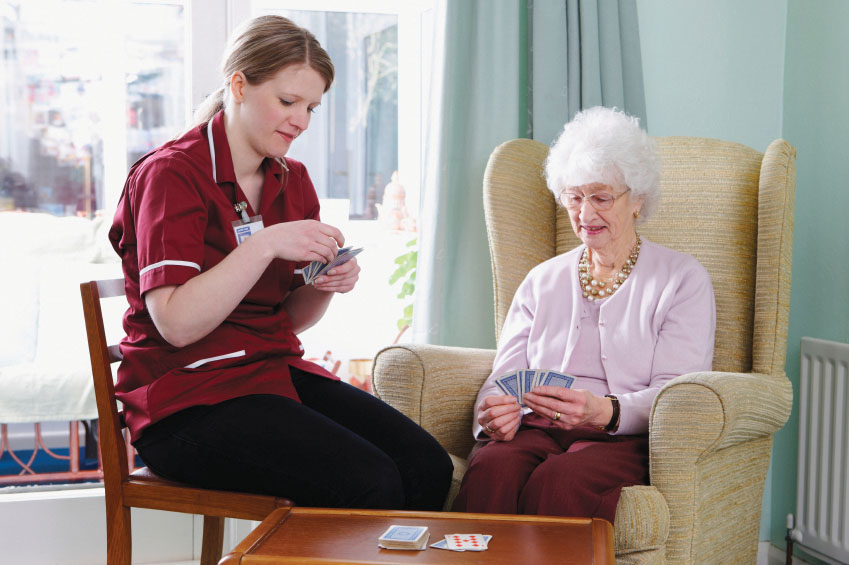
Professional caregivers bring practical support and genuine friendship. At Amy’s Helping Hands, companionship care is more than a friendly visit. It is a relationship built around your goals and routines, guided by nurse care managers, and delivered with patience and respect. Caregivers can help with:
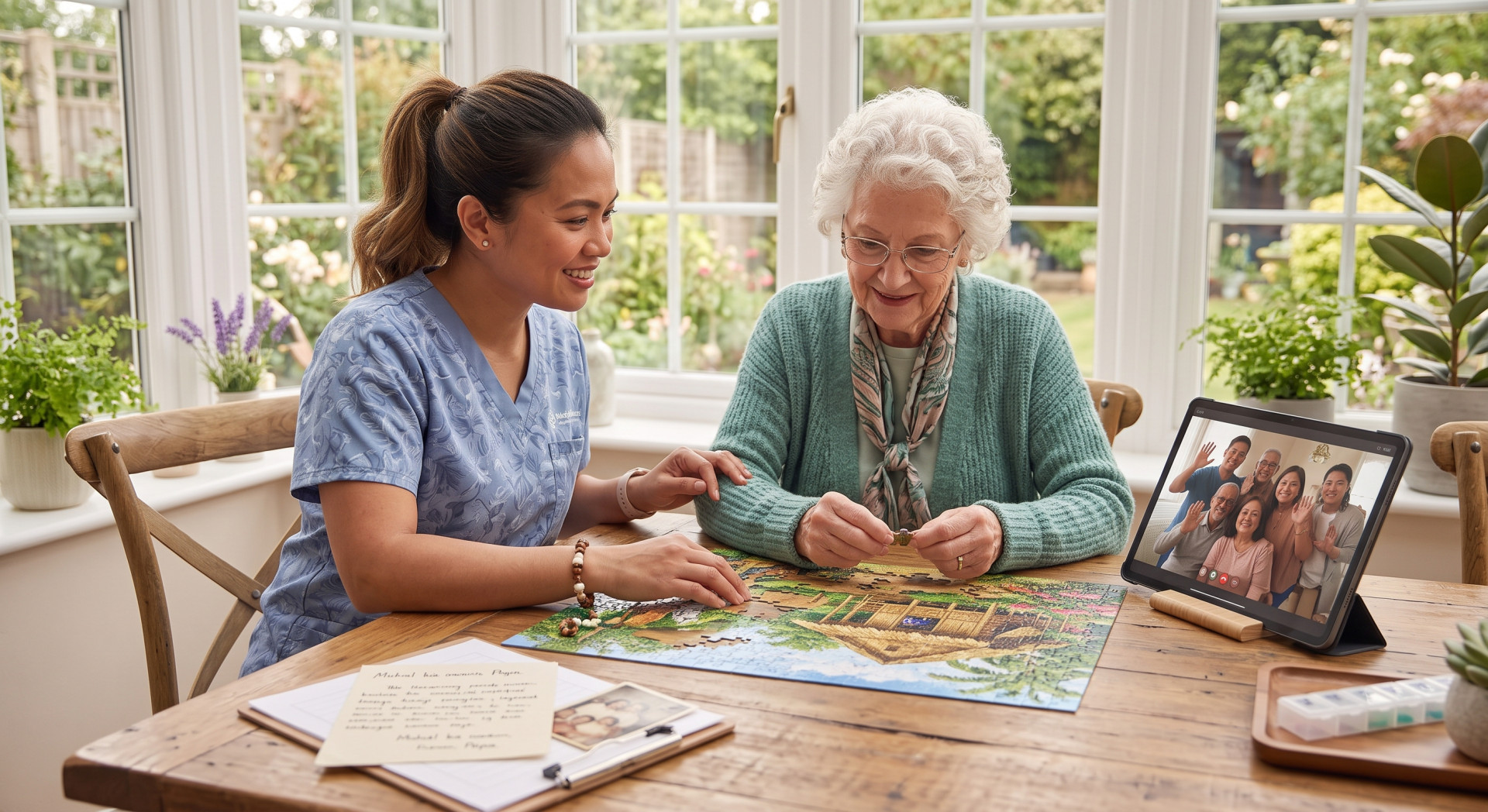
- Conversational companionship, games, crafts, and light exercise that match your interests and abilities.
- Safe outings, from coffee shops to community programs, with transportation and gentle encouragement.
- Meal planning and prep so you share regular meals and keep nutrition on track.
- Medication reminders and support sticking to daily routines.
- Light housekeeping and organization that promote calm and safety.
- Dementia friendly communication strategies such as consistent routines, redirection, and reassurance that reduce stress for you and those who love you.
If you or your loved one lives in Windsor and Essex County, our team is local, compassionate, and ready to help. Whether you need a few hours of companionship weekly or more consistent support, we tailor care to your needs.
Seasonal ideas to spark connection this fall
Looking for fresh inspiration as days get shorter? Try:
- A weekly soup night. Choose a recipe together, shop for ingredients, and enjoy the meal with a caregiver, neighbour, or family member.
- Photo share sessions. Pick an album and tell the story of a favourite trip, holiday, or family milestone. Record a few memories for grandchildren.
- Comfort movement. Gentle stretching, balance exercises, or a short indoor walking route can be done with a companion to keep it fun and safe.
- Arts in small bites. Ten to fifteen minutes of painting, knitting, or puzzles can relax the mind without feeling tiring.
- Community touchpoints. Visit the library, a local café, or a familiar park during quieter hours to keep outings easy and enjoyable.
When professional support is the right fit
If family lives far away, schedules are tight, or you want consistent companionship, professional care can bridge the gap. Our caregivers provide reliable, relationship based support that respects your independence. We also help after hospital stays to ease the transition home and reduce stress for everyone involved. If this sounds helpful, explore our hospital to home options or reach out with questions.
You might also want to compare the benefits of working with a trusted agency. Understanding the differences between home care agency vs private caregiver can help you choose a safe, reliable path that protects privacy and ensures oversight from experienced nurse care managers.
If your loved one is living with Alzheimer’s or another form of dementia, specialized care plans can make each day calmer and more predictable. Learn how our care services for dementia focus on safety, meaningful activities, and comfort for the whole family.
Getting started with Amy’s Helping Hands
We begin with a free in home assessment to learn your preferences, routines, and goals. Then we build a personalized plan that may include companionship, personal care, transportation, meal support, and more. Our caregivers are thoroughly screened, professionally supervised, and follow strict privacy policies, including a no cellphone rule during shifts. We serve Windsor and Essex County, with flexible scheduling for days, evenings, and overnight care.
If you would like to talk about in home care in your area, explore our in home care windsor information, or call us at 519 915 4370. We are here to answer questions and support your family.
The bottom line
Companionship is not a luxury. It is a key part of senior wellbeing. A steady rhythm of friendly connection can lift mood, restore routine, and create a sense of purpose, especially as autumn approaches. Whether support comes from neighbours, family, or a professional caregiver, small moments of connection add up. If you are ready to bring more warmth and ease into daily life, Amy’s Helping Hands is here to help you plan the next step with confidence.