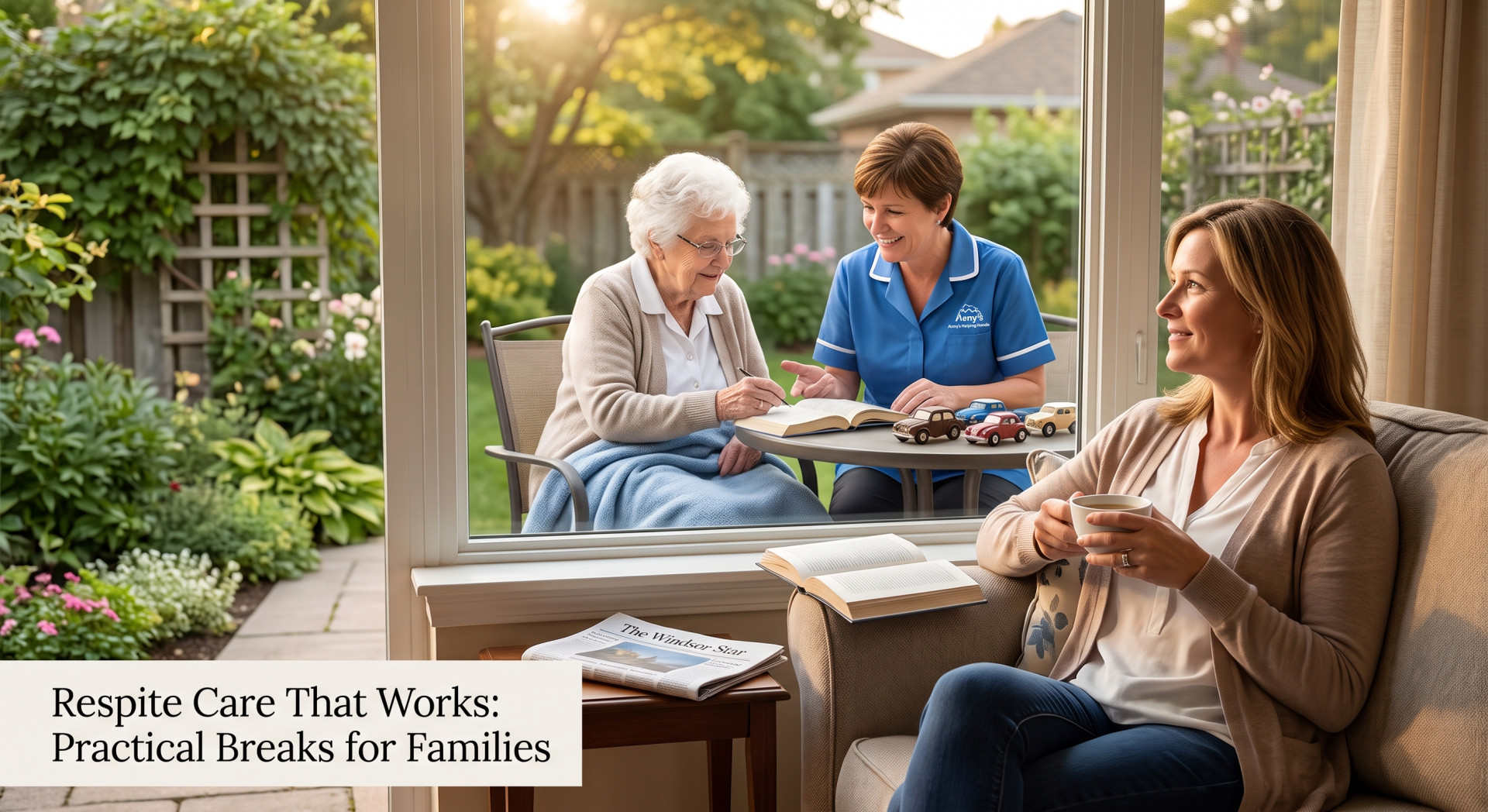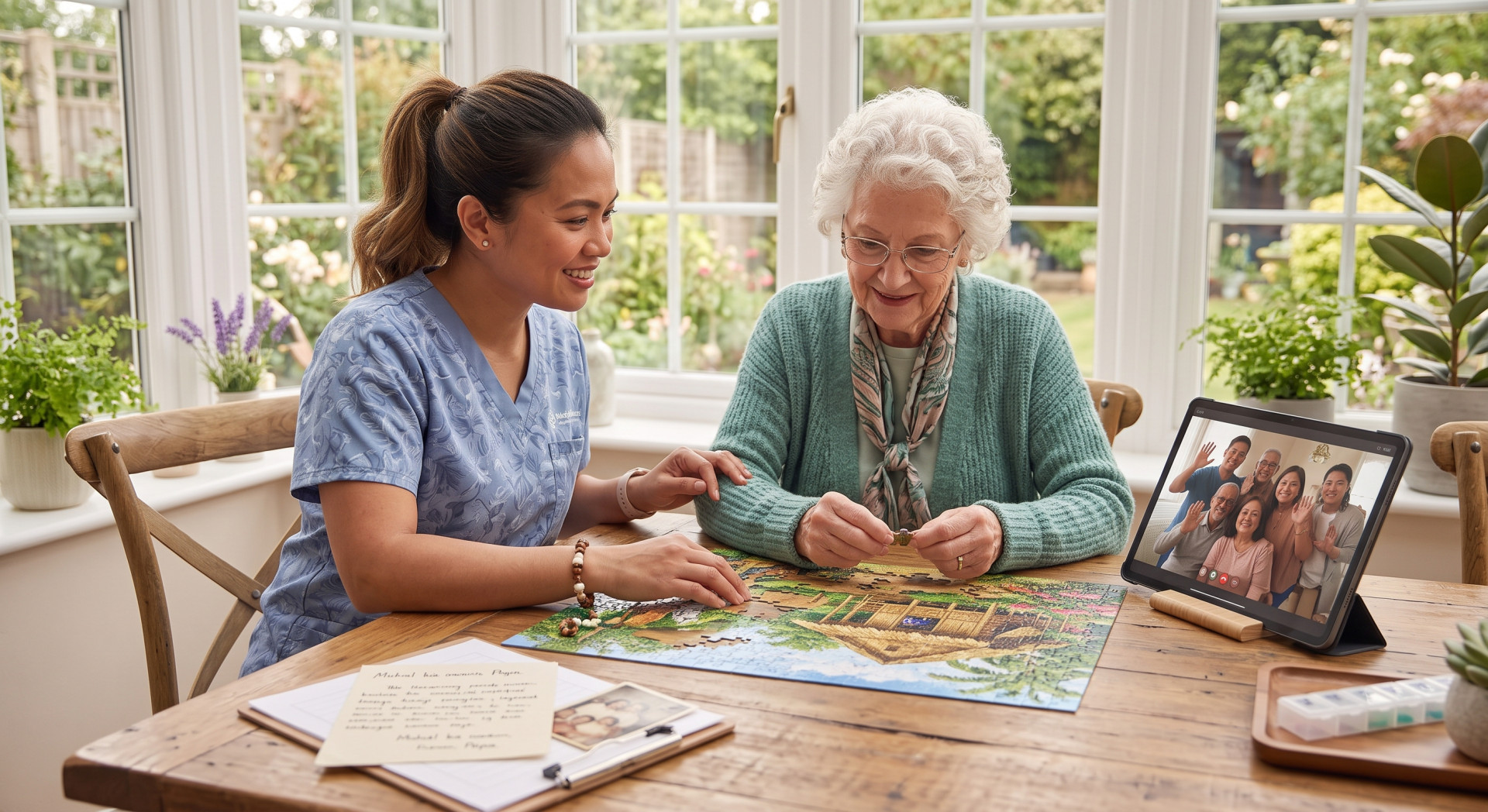
The Shrinking of the World: How to Protect Your Aging Parent from Isolation As mobility declines, driving stops, and friends pass away or relocate, an aging parent's physical world shrinks dramatically. What was once a vibrant life filled with work, community groups, and travel can gradually compress down to a single neighborhood, then to a house, and eventually to a single armchair in the living room.This "shrinking of the world" leads to profound social isolation. Medical research shows that chronic loneliness in seniors carries health risks equivalent to smoking 15 cigarettes a day—accelerating cognitive decline, weakening the immune system, and increasing depression rates.Re-Expanding Your Parent's HorizonsReconnecting an aging parent with the world doesn't require drastic lifestyle changes. Small, intentional routines make a massive difference:Incorporate Micro-Outings: A simple 20-minute drive along the Windsor waterfront, sitting on a shaded park bench, or getting a cup of coffee at a local cafe provides essential visual stimulation,…

Solving the Pill Puzzle: A Caregiver's Guide to Senior Medication Safety As chronic health conditions accumulate with age, so does the prescription bottle list. It is common for an older adult to take between 5 and 10 different medications daily—spanning blood pressure pills, blood thinners, arthritis pain relievers, and cholesterol management.Managing this complex schedule is an immense challenge. Poor vision, stiff fingers, and mild memory lapses make medication errors—such as missing doses, taking double amounts, or mixing incompatible pills—a leading cause of emergency room visits and sudden health declines in seniors.1. Consolidate with a Single Pharmacy & Use Blister PacksUsing multiple pharmacies or purchasing over-the-counter supplements from various stores increases the risk of unflagged, dangerous drug interactions.Single Pharmacy Partner: Fill every prescription at one trusted local pharmacy so the pharmacist’s software flags potential drug interactions.Switch to Blister Packs (Dosettes): Ask your pharmacy to prepare your parent's weekly…
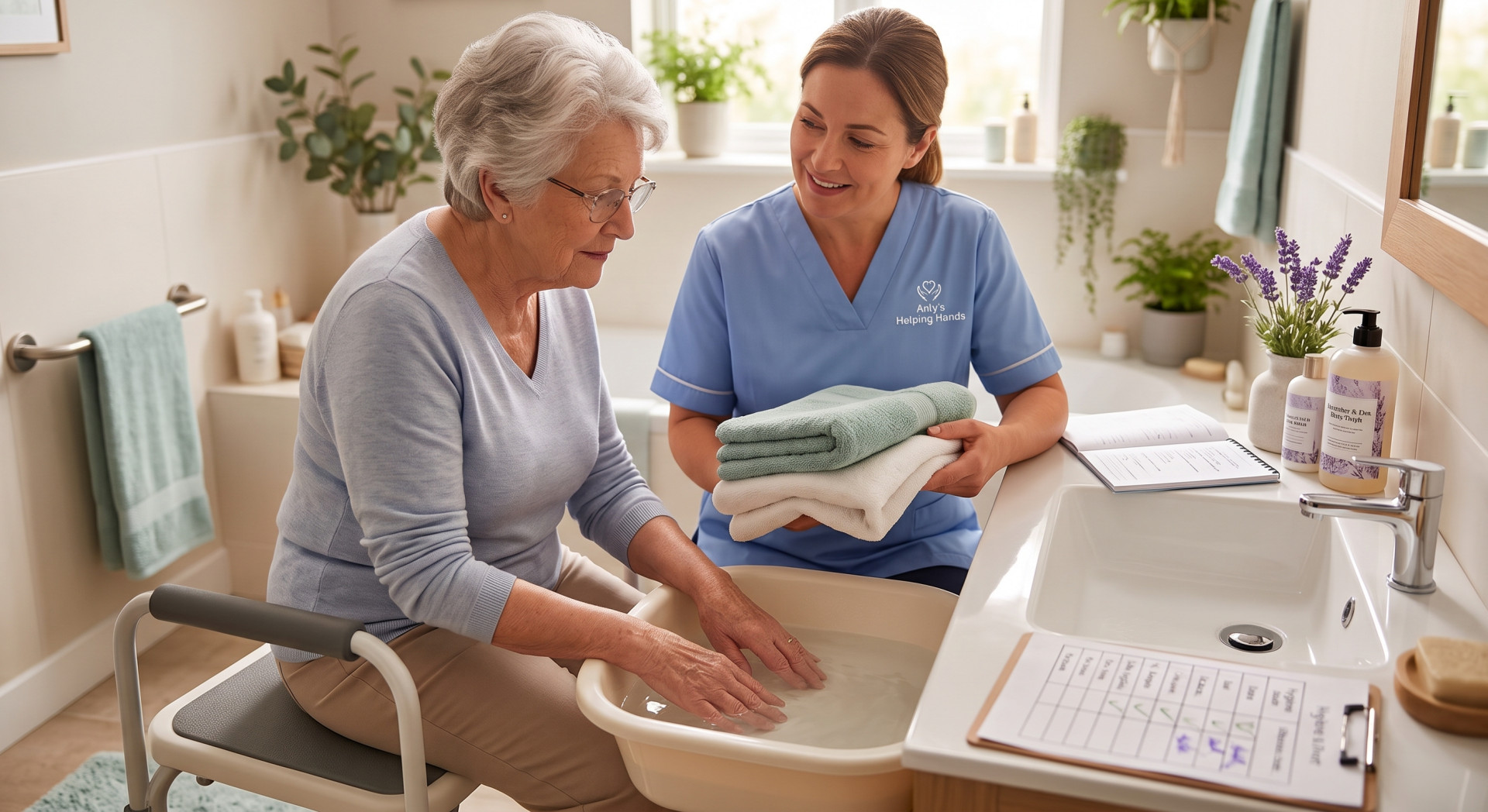
When Bathing Becomes a Battle: Preserving Dignity in Senior Personal Hygiene If your parent refuses to take a bath, argues when you suggest a shower, or wears the same clothes for days, it is easy to feel frustrated. However, bathing resistance is rarely about laziness or poor hygiene habits.To an aging, frail adult, taking a bath is a terrifying ordeal. It involves stepping naked into a cold room, standing on a slippery surface, and feeling vulnerable. Furthermore, having an adult child help them undress can feel intensely embarrassing and invasive.Understanding the root causes of bathing anxiety allows you to adapt personal care routines to be calm, dignified, and comfortable.1. Prioritize Warmth and ComfortSeniors lose body heat quickly and feel the cold far more acutely than younger adults.Pre-Warm the Bathroom: Turn on a small space heater or run a hot shower for a few minutes before your parent enters the room so the ambient air is warm.Use Warm Towels: Place clean towels in the dryer for 10 minutes prior to bath time so they have a warm, cozy towel waiting…
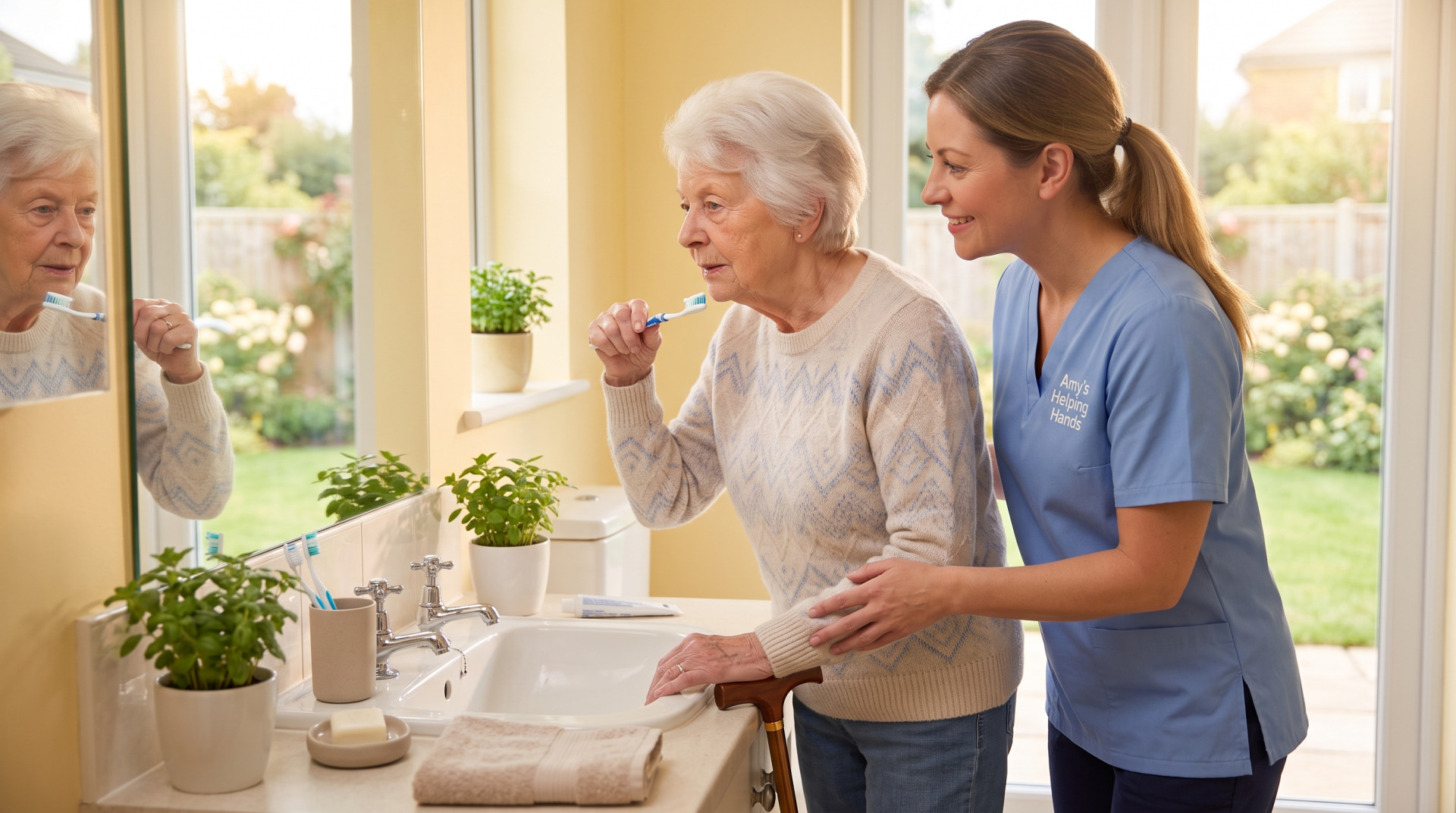
The Most Dangerous Room in the House: A Complete Senior Bathroom Safety Guide Statistically, the bathroom is the single most hazardous room in any senior's home. Over 80% of senior falls occur in the bathroom—driven by a dangerous combination of slick tile surfaces, low toilet seats, high tub ledges, and humid, dizzying air.A single fall in the bathroom can result in a hip fracture, a long hospital stay, and a sudden loss of independence. Fortunately, most bathroom hazards can be eliminated with a few targeted, high-impact safety modifications.1. The Golden Rule of Grab BarsNever, under any circumstances, rely on towel racks, toilet paper holders, or glass shower doors for balance. They are not engineered to hold body weight and will tear out of the wall during a slip.Installation: Install heavy-duty, stainless steel grab bars anchored directly into wall studs.Key Placements: Place one vertically at the entrance of the shower or tub to assist with stepping over the ledge, one horizontally along the side wall of the shower, and one vertically beside the toilet…
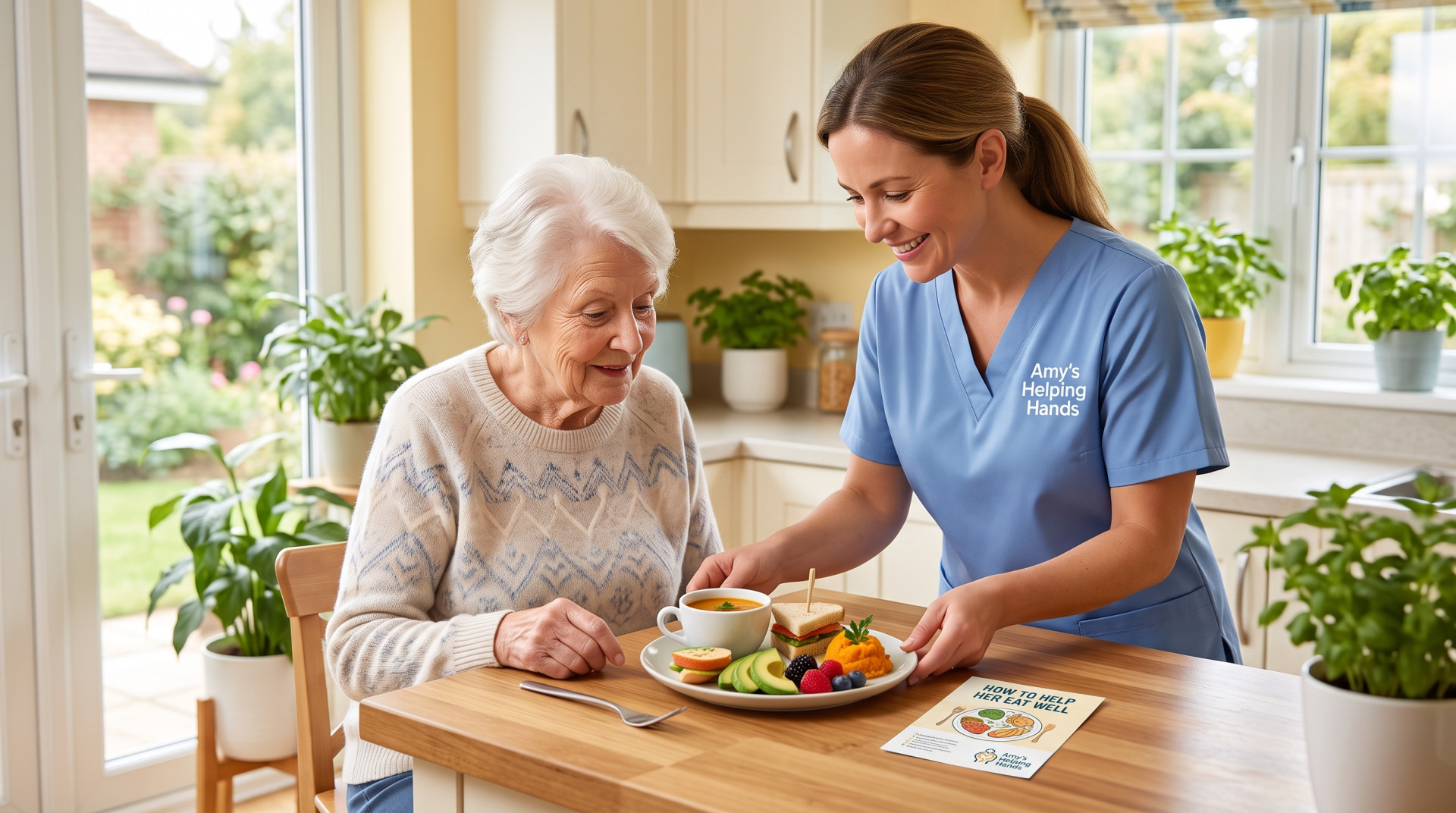
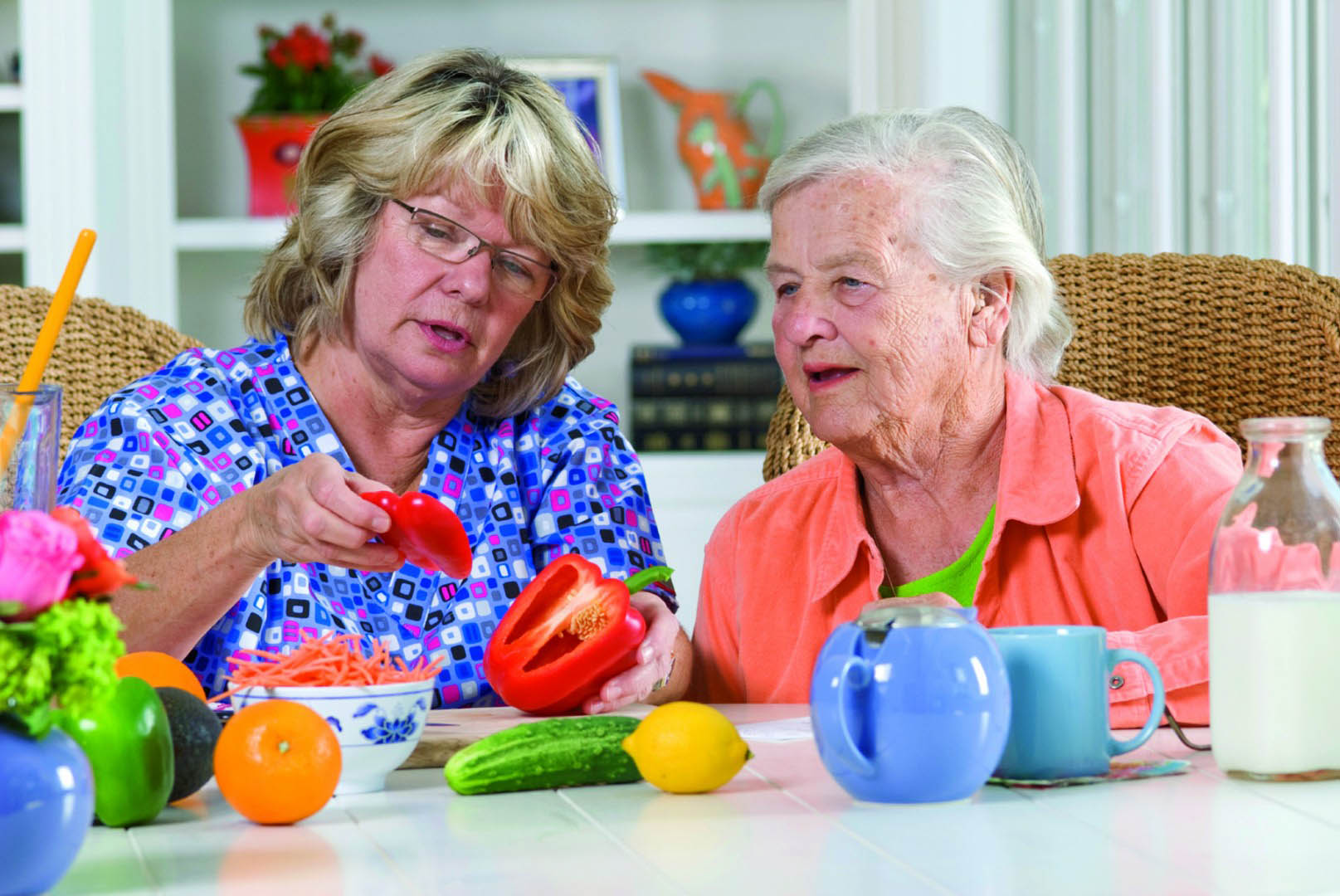
Why Mom’s Appetite is Disappearing (And How to Help Her Eat Well) Opening your parent's refrigerator only to find untouched food, expired milk, or a single piece of toast left out is a common, worrying sight for family caregivers.Watching a parent gradually lose weight and decline food is deeply concerning. However, before assuming they are simply being stubborn, it is important to understand the biological and psychological reasons why appetite wanes as we age.Why Seniors Lose Their AppetiteDiminished Senses of Taste and Smell: As we age, the number of taste buds on the tongue decreases, and olfactory nerves weaken. Food simply loses its aroma and flavor, making eating feel like a chore rather than a pleasure.Slower Digestion and Prolonged Fullness: Gastric emptying slows down in older adults. A small meal can make a senior feel uncomfortably full for hours.Medication Side Effects: Hundreds of common senior medications cause dry mouth (xerostomia), metallic tastes, nausea, or suppressed appetite.The "Cooking for One" Effect: Cooking a…
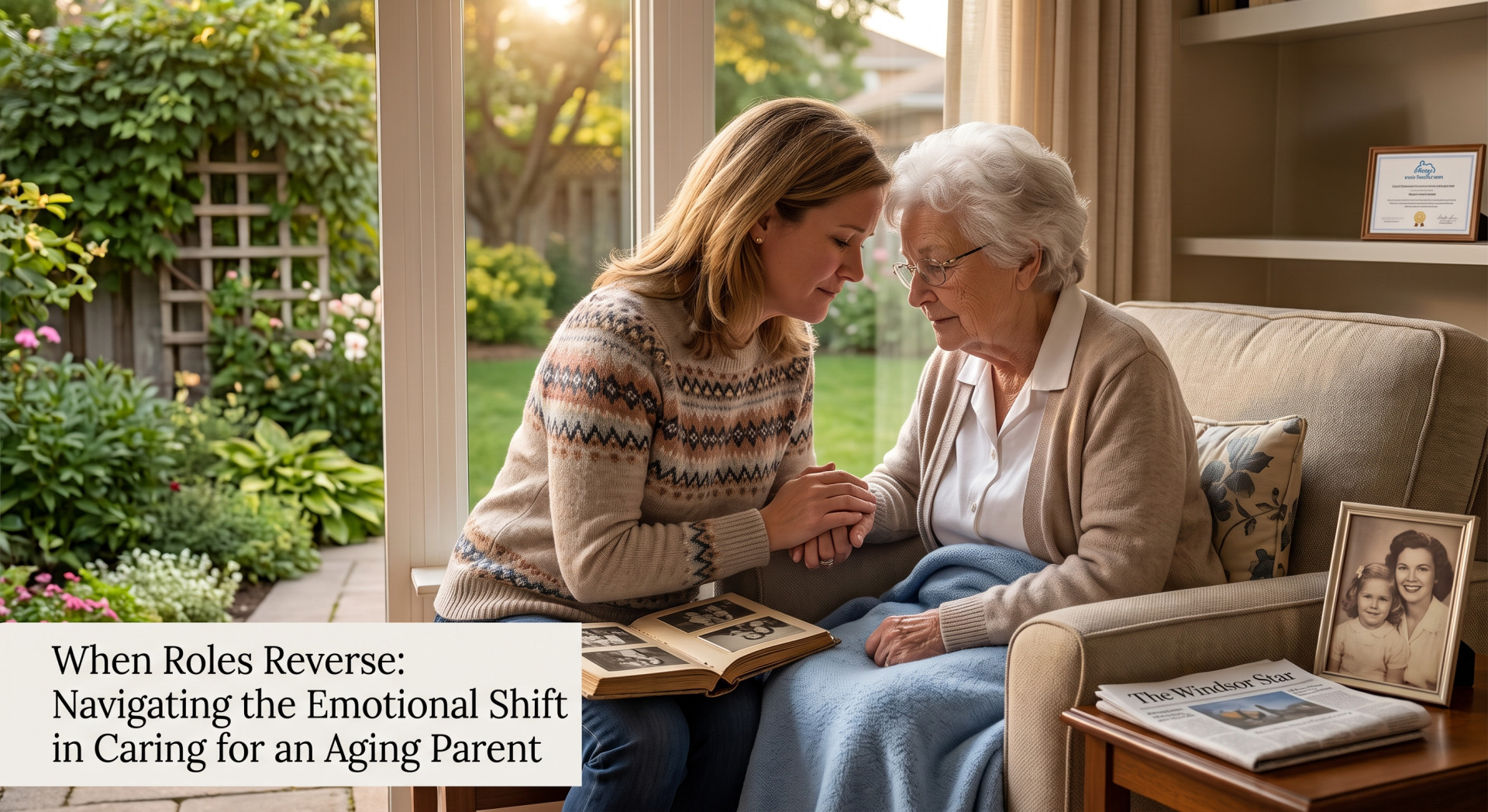
When Roles Reverse: Navigating the Emotional Shift in Caring for an Aging Parent There comes a quiet, profound moment in almost every adult child's life when you realize the relationship has fundamentally shifted. The parent who once comforted you, drove you to appointments, and managed a household now relies on you to help them open pill bottles, navigate doctor visits, or step safely into the shower.This role reversal is one of the most emotionally complex transitions you will ever navigate. It frequently brings up a mixture of grief, guilt, stress, and fierce protectiveness.Learning to balance your parent's safety with their deeply rooted need for dignity and independence is the key to maintaining a loving, sustainable relationship.1. Separate "Love" from "Task Management"When every interaction with your parent revolves around a task—checking off medication schedules, doing laundry, nagging them to drink water, or scheduling specialists—the emotional warmth of your relationship gets buried under administrative stress.The Reality:…