As we age, it's essential to maintain our independence and comfort. That's where in-home senior care comes in. And with the help of Amy's Helping Hands, seniors can continue living in their own homes with the support they need.
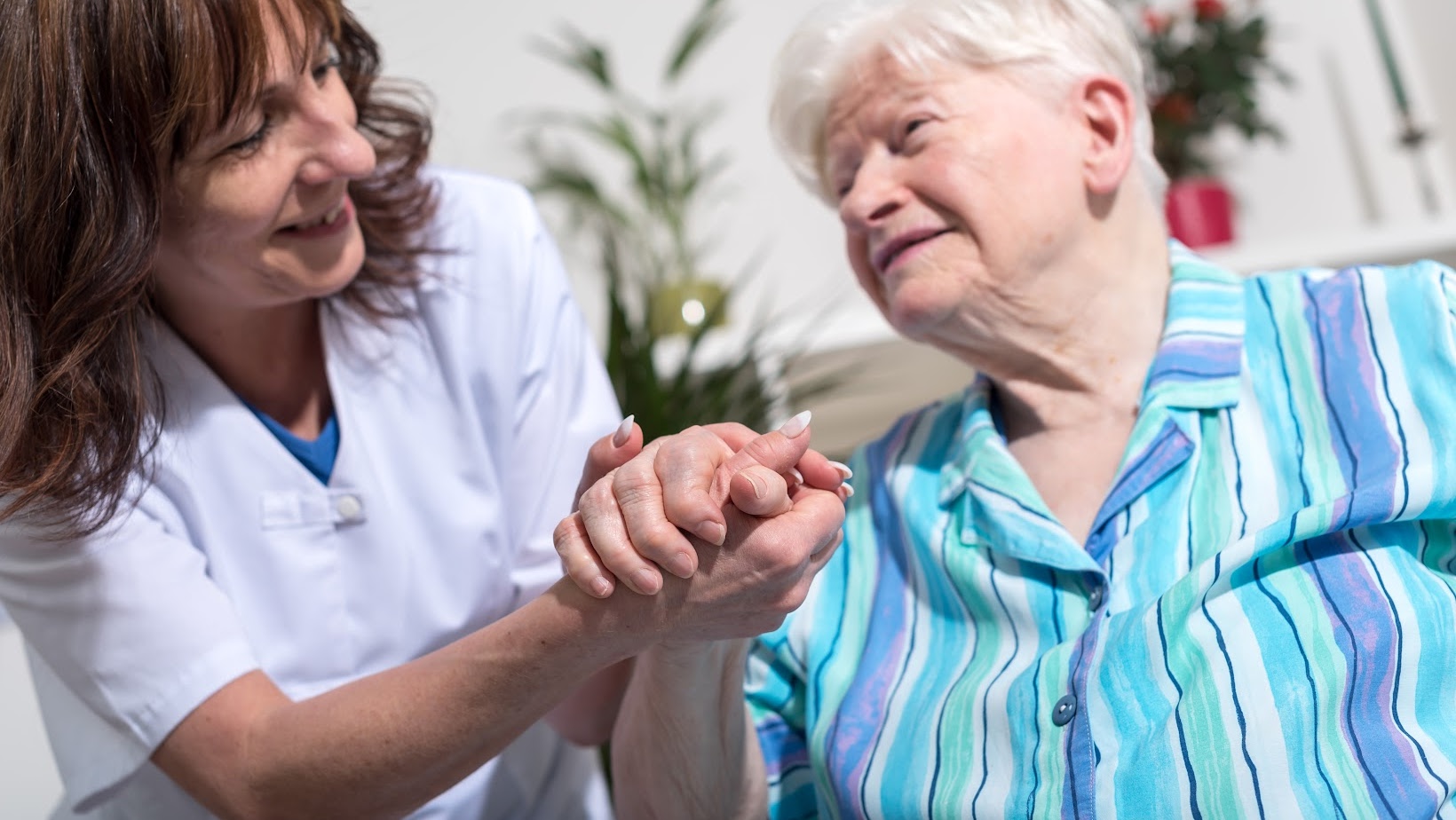
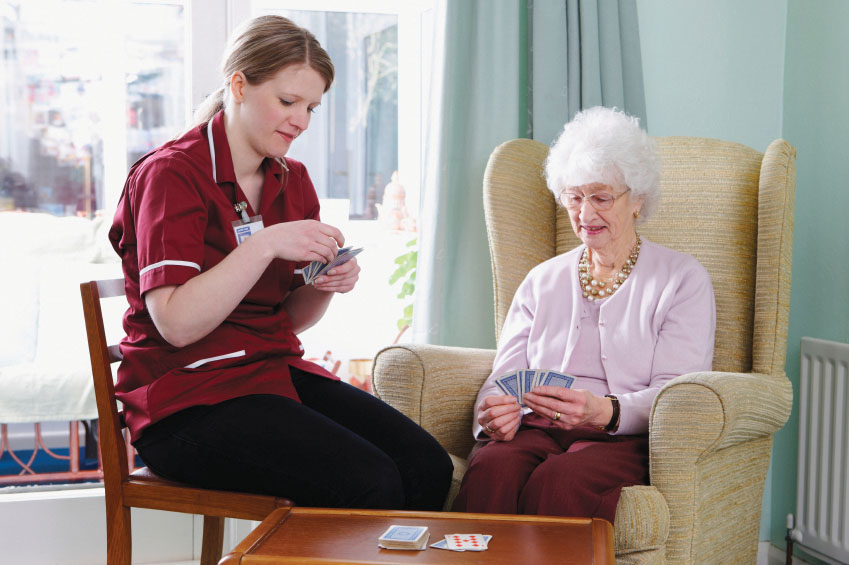
Amy's Helping Hands provides compassionate and reliable in-home care services, tailoring care plans to meet each senior's unique needs. Our skilled caregivers assist with various tasks, including personal care, medication management, meal preparation, light housekeeping, and transportation.
The benefits of choosing in-home care with Amy's Helping Hands are numerous. Seniors can age in place, surrounded by the comfort and familiarity of their own homes. This not only promotes emotional well-being but also reduces the risk of isolation and loneliness.
Our caregivers are carefully selected and trained to provide the highest quality care. They are compassionate, patient, and dedicated to ensuring seniors receive the support they need while maintaining their dignity and independence.
Families can also find peace of mind knowing that their loved ones are in safe hands. Amy's Helping Hands is licensed, insured, and bonded, providing reliable and trustworthy services.
If you're considering in-home care for your loved one, look no further than Amy's Helping Hands. With our commitment to personalized care and exceptional service, we'll help your loved one thrive and enjoy their golden years.



Contact Us
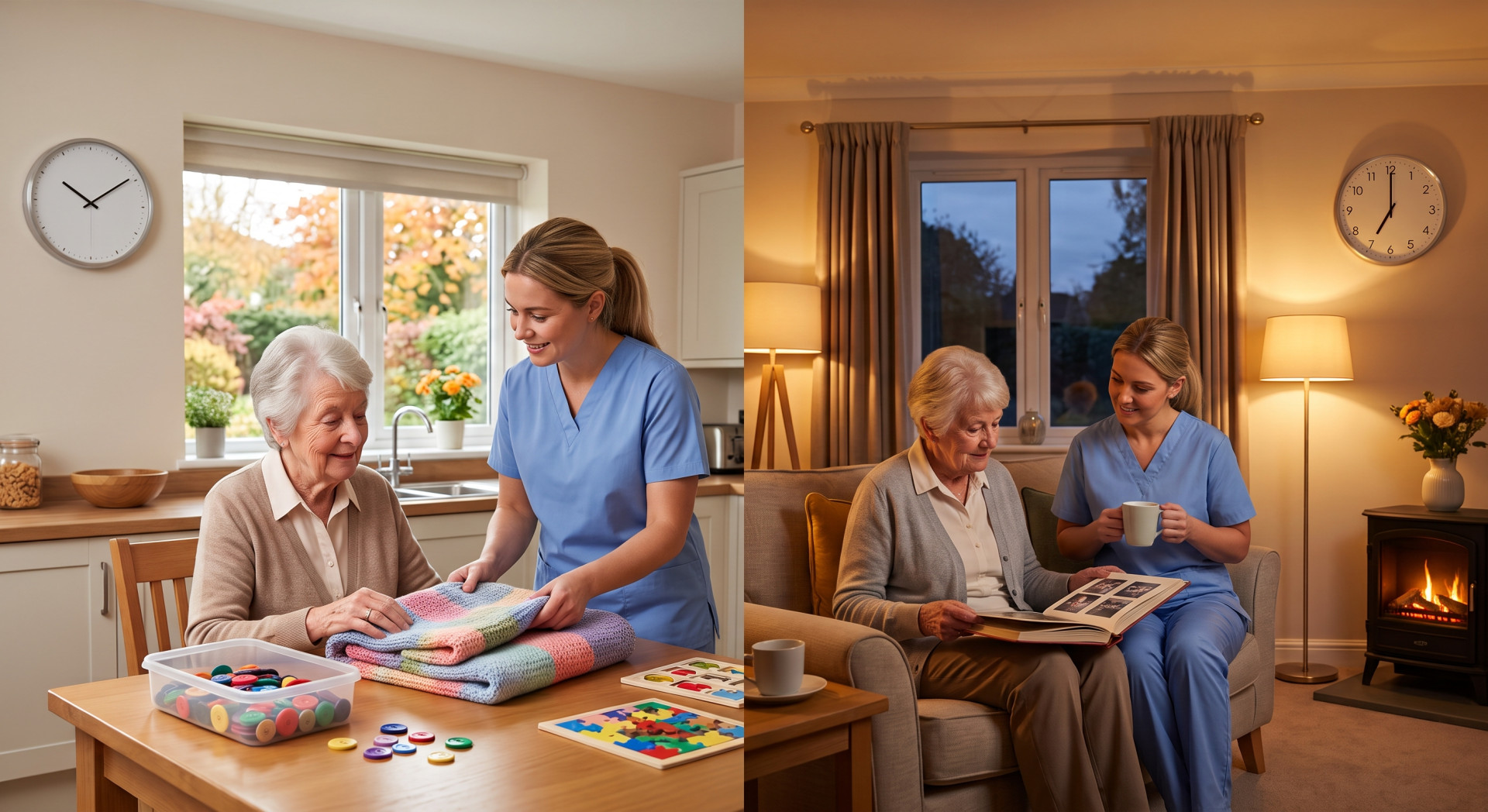
Dementia-friendly daily routines for fall: Calm days, safer evenings September can be a beautiful reset. It can also be a tougher month for people living with dementia as daylight shortens and routines shift. Many families notice more late-day restlessness, pacing, or agitation as evenings arrive.A few steady adjustments can make a big difference. With consistent routines, gentle activities, and a safer home setup, you can help your loved one feel calmer through fall and into winter.This guide offers practical steps you can start today, plus how our team supports…
Read More
Ongoing Peace of Mind: Consistent In‑Home Support for Family Caregivers and Older Adults Ongoing Peace of Mind: Consistent In‑Home Support for Family Caregivers and Older Adults Caring for an aging parent is a long journey. Routines shift, health needs evolve, and what worked last month may need adjustment today. If you are feeling stretched thin, you are not alone. With a steady plan and a reliable team, you can keep your parent safe and engaged at home while protecting your own health and routines for the long term. Signs it’s time to build a consistent care plan Many families…
Read More
The Shrinking of the World: How to Protect Your Aging Parent from Isolation As mobility declines, driving stops, and friends pass away or relocate, an aging parent's physical world shrinks dramatically. What was once a vibrant life filled with work, community groups, and travel can gradually compress down to a single neighborhood, then to a house, and eventually to a single armchair in the living room.This "shrinking of the world" leads to profound social isolation. Medical research shows that chronic loneliness in seniors carries health risks equivalent to…
Read More
Putting Them in Charge: How Giving Seniors Control Reduces Home Care Refusal As adult children, we often operate in "fix-it" mode. We see our parents struggling, so we immediately jump into action to solve the problem. We research local Windsor-Essex care agencies, look at budgets, and create a schedule.Then, we go to our parents and say, "I hired someone to come on Tuesdays and Thursdays from 9 to 1."And they say, "Absolutely not."Why? Because nobody likes being told what to do in their own home. When you make all the decisions without their…
Read More
Palliative Care- letting your senior loved on pass at home Palliative care is a type of healthcare specifically designed for individuals and their families facing life-threatening illnesses that are in their advanced stages. This information helps to address common questions seniors have about palliative care, also known as hospice care. It helps to provide guidance on where seniors can access further information about available services. What is palliative care? Palliative care is to help enhance the quality of life for those who are critically or…
Read More
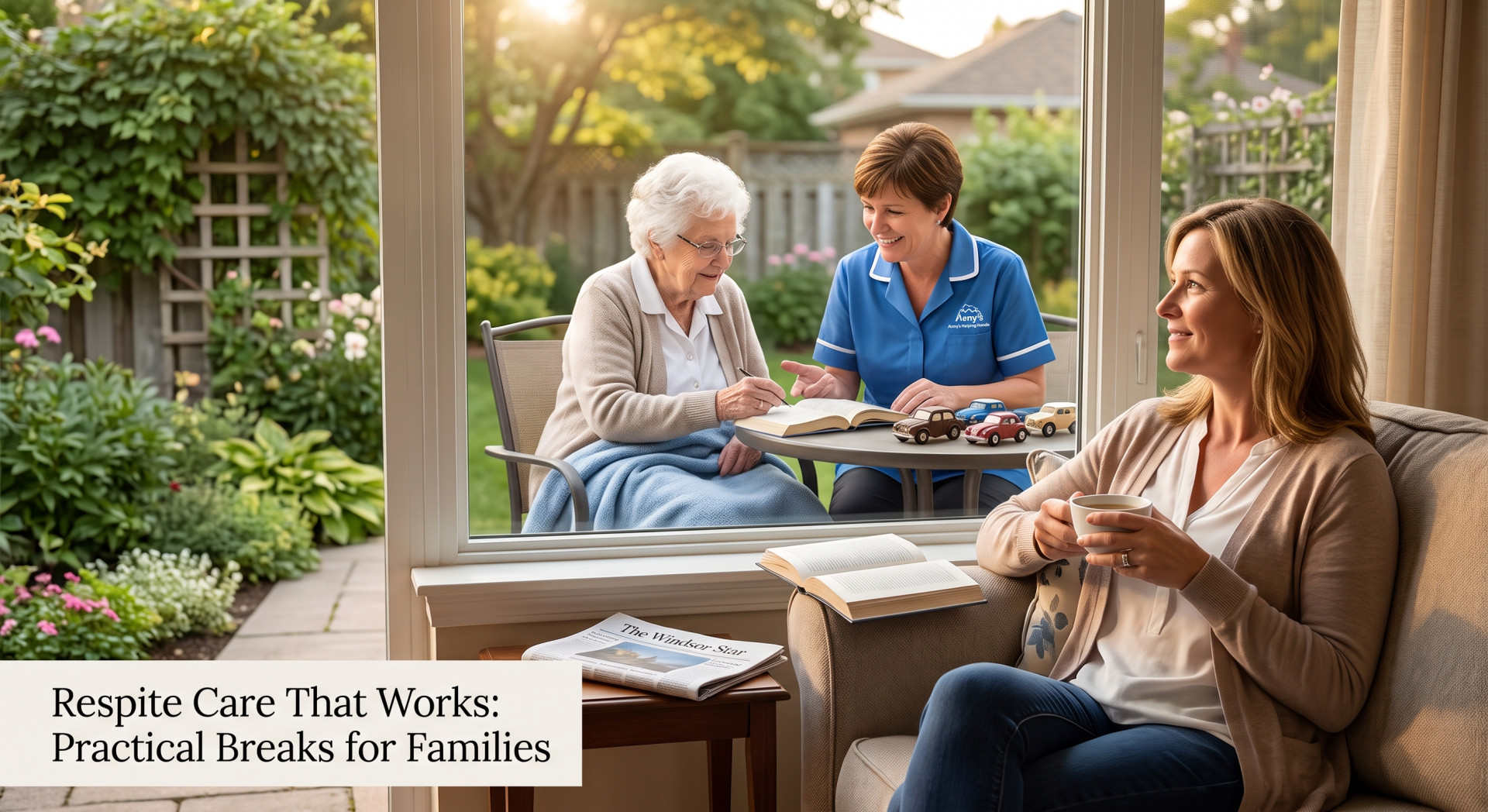
Respite care that works: practical breaks for family caregivers in Windsor-Essex Mid-to-late summer often pushes Sandwich Generation caregivers to the edge. School breaks, vacations, heat, and changing routines can make care feel heavier just when you need a breather most. If you are losing sleep, snapping at people you love, or juggling missed appointments, you are not failing. You are tired, and that is fixable.Planned respite protects your health and often improves care quality at the same time. With the right plan, your parent stays safe and engaged while you rest, work,…
Read More
The Hidden Cardiovascular Fall Risk: How Heart Disease Affects Senior Stability When family caregivers perform home safety checks, they naturally search for external hazards: extension cords across the floor, loose entryway mats, or poor stair lighting. However, for seniors living with heart disease, falls are frequently caused by internal, cardiovascular triggers.The heart and brain operate in constant coordination. When a compromised heart cannot maintain stable blood flow or blood pressure to the brain, dizziness, weakness, and sudden loss of balance follow quickly.The 3…
Read More
Big Movements, Big Benefits: Why Targeted Exercise is Vital for Parkinson’s In Parkinson’s care, physical exercise is far more than a general health recommendation—it is a critical, disease-modifying intervention. Targeted physical movement stimulates neuroplasticity, the brain's remarkable ability to form new neural pathways and protect existing dopamine-producing neurons.Because Parkinson’s disease causes physical movements to naturally become small, shuffling, and hesitant, specialized therapeutic movement focuses on retraining the brain to move BIG.Core High-Amplitude…
Read More