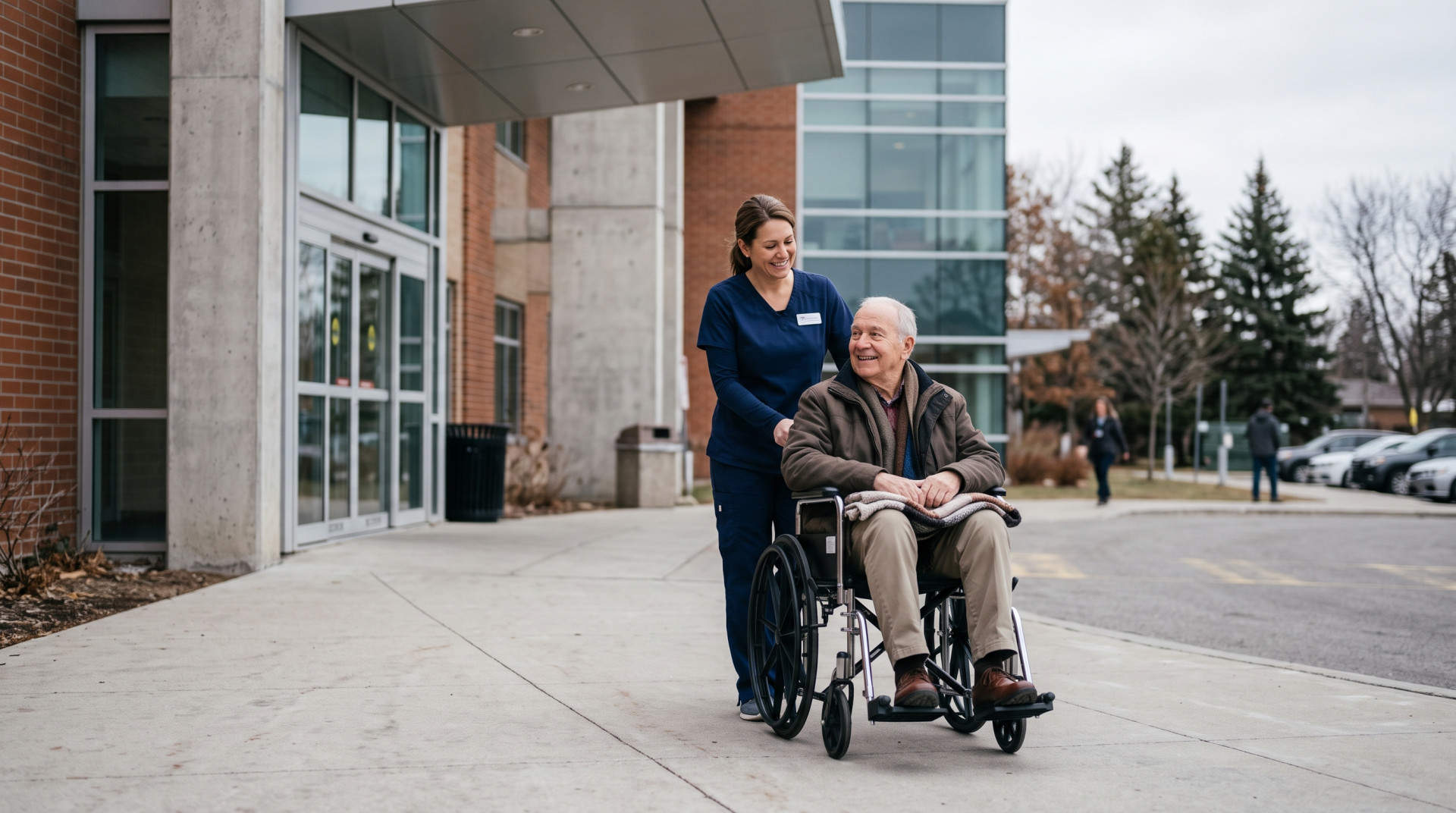
A safe return home after a hospital stay takes planning, especially as winter approaches in Windsor-Essex. Slippery walkways, earlier darkness, and colder temperatures can compound fall risk and fatigue right when routines feel most fragile.
With a simple plan, you can reduce stress, keep follow-up care on track, and make the first days at home calmer. This guide walks you through what matters most in the first 72 hours, a practical checklist to prepare the home, and how Amy’s Helping Hands can coordinate reliable support so families are not doing this alone.
Why the first 72 hours matter
The first three days after discharge are a high-attention window. Routines have shifted, new medications may be starting, and energy is limited. Focus on four priorities:
- Medication reconciliation. Confirm the medication list sent home matches what is in the house. Remove discontinued medications, check dosages and timing, and note any new side effects to report. If anything is unclear, call the discharging nurse, pharmacist, or family doctor.
- Mobility and transfers. Identify the safest way to get in and out of bed, on and off the toilet, and in and out of a chair. Use walkers or canes as advised. Plan unhurried bathroom breaks and short walks at home to prevent stiffness.
- Hydration, nutrition, and rest. Aim for small, regular meals, warm fluids, and scheduled rest. Appetite is often low after a hospital stay, so prepare easy-to-digest foods and invite company at mealtime for encouragement.
- Follow-up appointments. Book appointments before discharge whenever possible. Arrange transportation, allow extra time for winter weather, and bring the updated medication list to each visit.
A simple home-prep checklist for winter discharges
A little preparation goes a long way in reducing falls and easing the first week at home. Use this quick checklist and adapt it to your space:
- Clear pathways. Remove loose rugs, cords, and clutter in hallways, bedrooms, and the path to the bathroom. Improve lighting and add night lights.
- Bathroom safety. Install grab bars if possible, use a raised toilet seat, and place a non-slip mat in the tub or shower. Keep towels and toiletries within easy reach.
- Entry and outdoor safety. Arrange for snow and ice clearing, sand or salt, and sturdy railings. Place a chair or bench near the entrance for rest while removing boots.
- Warmth and clothing. Prepare layers, warm socks with grip, and dry indoor footwear. Keep a blanket at favourite chairs to prevent chills.
- Meal planning. Stock easy, nourishing meals and snacks. Consider pre-portioned soups, stews, and soft foods. Keep a list of go-to options for days when energy is low.
- Medication organization. Use a weekly organizer, keep the updated list visible, and set reminders. Dispose of discontinued medications safely.
- Appointment transport. Pre-book transportation and allow for weather delays. Door-to-door accompaniment reduces fall risk on steps and curbs.
- Red flags to report. Call your healthcare provider promptly if you notice increased confusion or new agitation, dizziness or repeated near-falls, shortness of breath or chest discomfort, fever or wound concerns, swelling or sudden weight gain, new medication side effects, or a change that makes routine tasks suddenly harder.
Want a deeper dive into recognizing when extra help could be beneficial? See our guide on early signs that a parent may need support in the home: 10 signs your elderly parent needs help on our website.
Coordinated support from Amy’s Helping Hands
Care after a hospital stay is most effective when it is consistent, calm, and well organized. Amy’s Helping Hands provides:
- Urgent start options. We can respond quickly when discharge is accelerated or winter weather complicates plans, including 24/7 scheduling support.
- Coordinated shift handovers. Our team uses nurse case manager oversight and detailed shift-to-shift notes so care is smooth and nothing is missed.
- Personal care and safe transfers. Unhurried help with bathing, dressing, toileting, and two-handed transfers, with an emphasis on fall prevention.
- Medication reminders and monitoring. We support medication routines, watch for side effects that can resemble confusion, and coordinate with your care team.
- Transportation and accompaniment. Door-to-door support for appointments and therapy, including winter-aware pacing and safe entry and exit.
- Daily electronic reporting. Families receive clear, same-day updates so you know how the day went and what changed.
If your loved one is returning from hospital, our specialized hospital-to-home planning and transitional care services can help you prepare the home, confirm medications, coordinate follow-up, and put short-term intensive support in place. Learn more on our site by visiting our page on hospital to home transitions and transitional care.
Combining supports: public services plus private-pay care
Many families blend publicly funded services with private-pay in-home support to fill gaps, especially during the first week at home. At Amy’s Helping Hands, we create a tailored plan during a complimentary in-home assessment that considers:
- Visit length and frequency. We typically discuss minimums such as a 2-hour per-visit or weekly minimum to maintain reliability. We will review the best pattern for your goals.
- Skill level and scope. Needs can range from companionship and meal support to personal care or nurse-coordinated tasks. Rates vary by service type and duration.
- Budget and timing. We provide a customized quote after the assessment. We can also discuss deposits and scheduling preferences so you know what to expect.
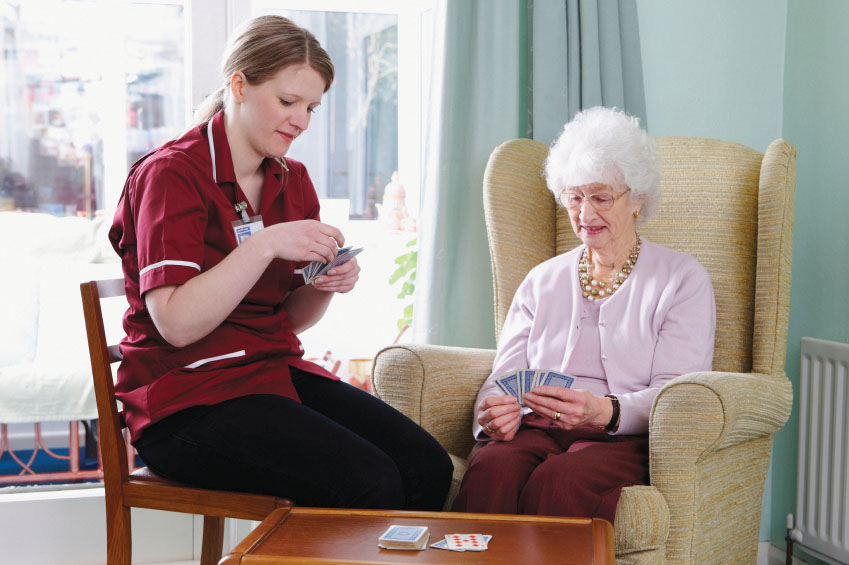
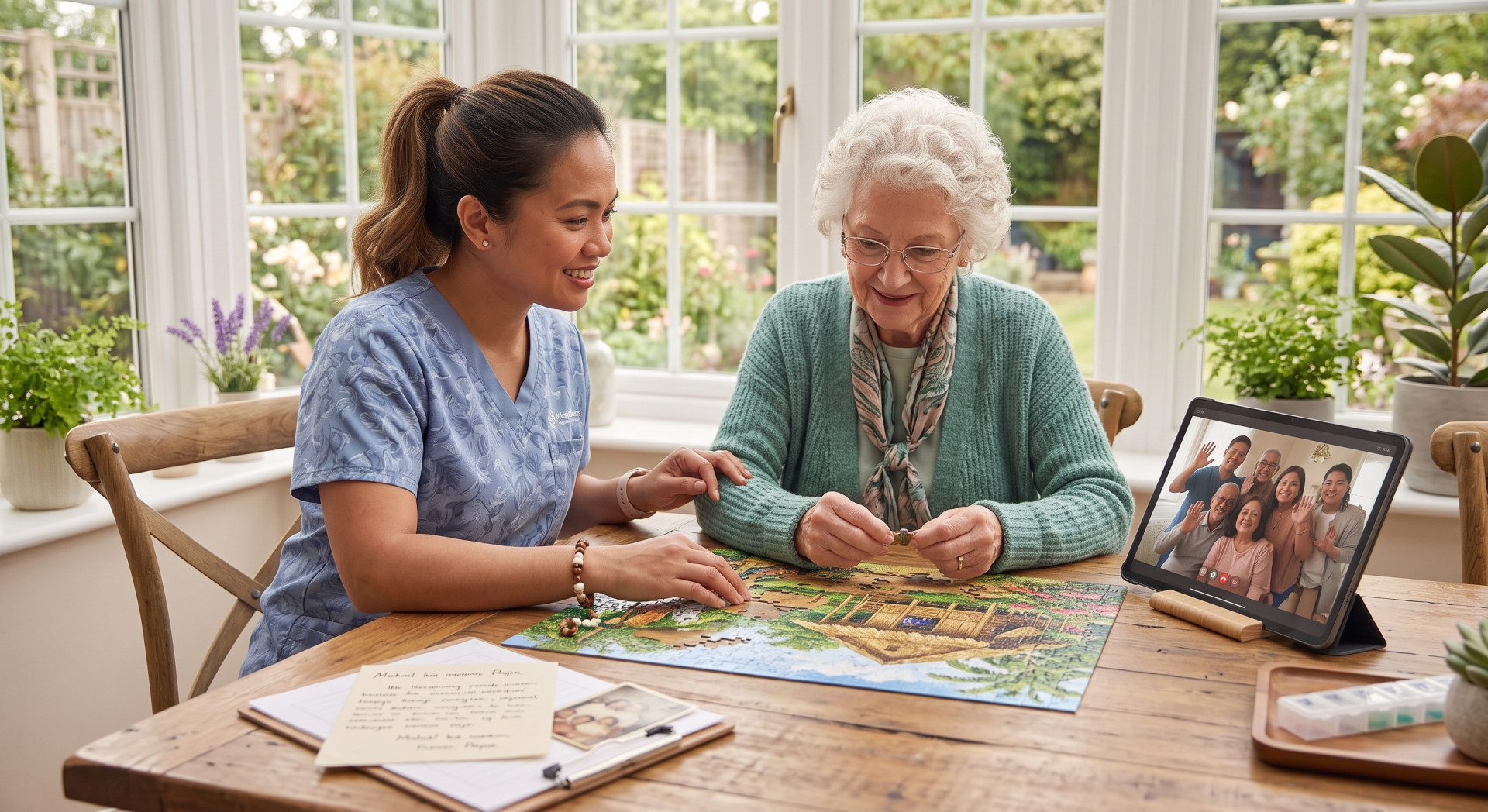
For seniors who might benefit from structured daytime engagement as they recover, our team can also coordinate adult day program options in the community and align transportation and in-home hours so the week feels predictable.
Step-by-step planning timeline
- One week before discharge. Confirm the medication plan, equipment, and follow-up appointments. Arrange snow and ice clearing and check lighting. If you expect extra help will be needed at home, this is also a good time to engage Amy’s Helping Hands so an assessment can take place and scheduling can begin building a support plan.
- Three days before discharge. Set up the bedroom and bathroom for safe transfers, stock meals, and place frequently used items within easy reach. If you have not already done so, contact Amy’s Helping Hands now so an assessment can transpire and scheduling can put a plan together before your loved one comes home.
- Day of discharge. Reconcile medications, review mobility instructions, schedule rest periods, and confirm the first follow-up visit and transportation.
- Days 1 to 3 at home. Keep routines simple, log symptoms and side effects, and report red flags early. Consider temporary increased support to prevent fatigue and falls.
If you need immediate help or a rapid start after an unexpected discharge, see our urgent home care services for quick response options in Windsor-Essex.
Caring for aging parents: practical guidance
- When parents cannot manage alone, start with safety. Assess fall risks, check medications, and ensure meals, hygiene, and appointments are covered. Short-term in-home help can stabilize routines while you plan long-term support.
- To manage an elderly parent day to day, prioritize consistent routines. Use calendars, medication organizers, prepared meals, and scheduled rides. Share tasks among family or combine public services with private in-home care.
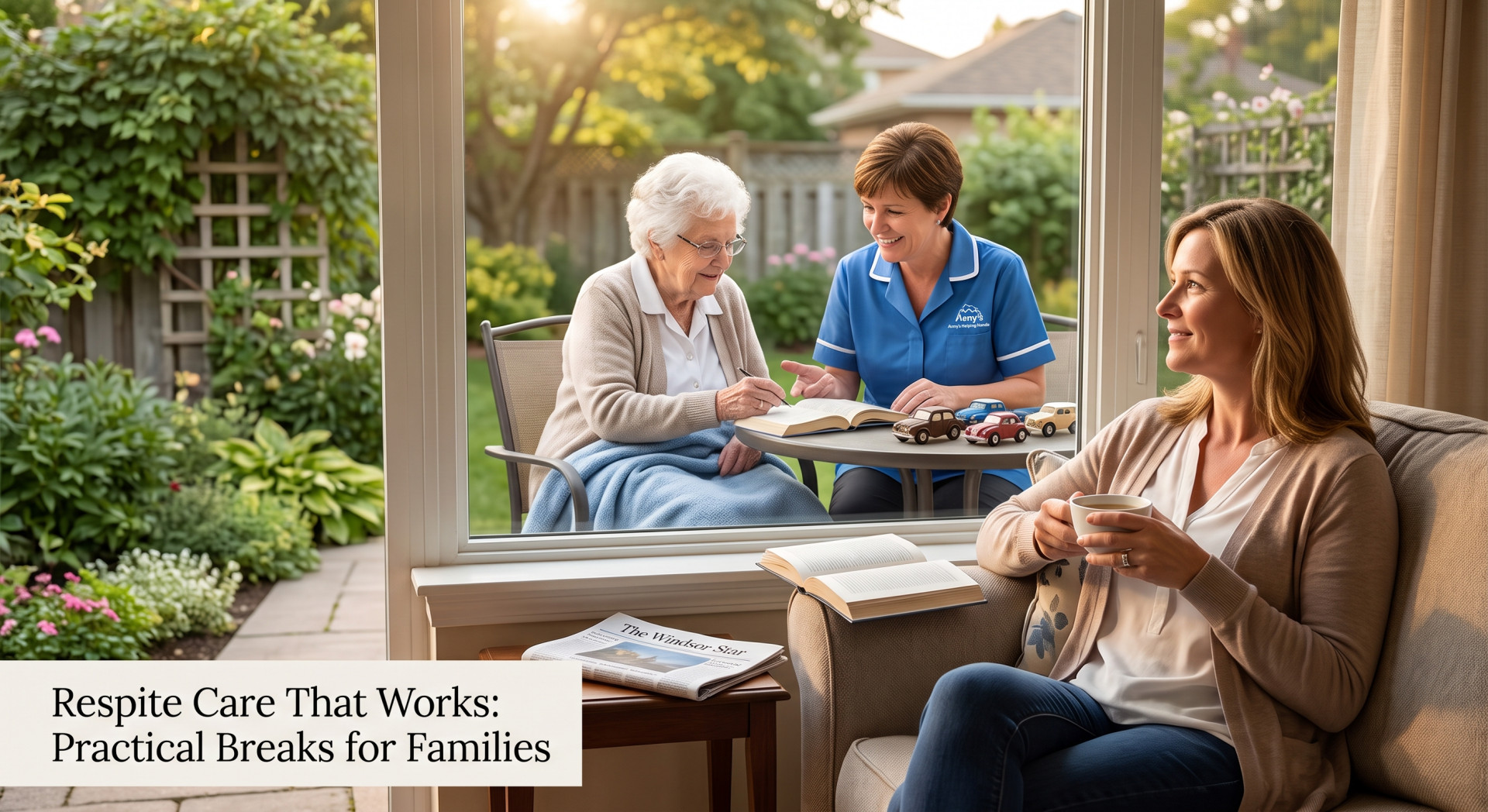
- To cope as a caregiver, set realistic limits, plan respite, and protect sleep. Keep a simple log to track changes and lean on trusted support so you can step away without worry.
For more tips on day-to-day caregiving at home, you can also review our caregiver resource on how to care for elderly parents at home in our Family Caregiver Tips section.
FAQ
- What should I do when my parent cannot take care of themselves? Begin with a safety check and call the doctor’s office to discuss immediate needs. Put basic supports in place, including meals, personal care help, and medication reminders, and consider short-term in-home care to stabilize the situation.
- How do I manage an elderly parent’s routine in winter? Keep pathways clear, plan rides for appointments, simplify meals, and schedule regular rest. Use checklists and keep essentials within reach to reduce unnecessary steps.
- How can I cope with the stress of caregiving? Share responsibilities, arrange respite, and keep communication clear with the health team. Short, regular breaks help prevent burnout.
Gentle next steps
A thoughtful plan before discharge makes winter recovery safer and calmer. If you would like help organizing care, call Amy’s Helping Hands at (519) 915-4370 or email care@amyshelpinghands.ca to arrange your complimentary in-home assessment before discharge. We serve Windsor and communities across Essex County with compassionate, nurse-guided in-home care.
Helpful resources on our site:
- Learn about in home care Windsor and Essex options that can complement public services.
- Explore hospital to home and transitional care services for post-discharge support.
- If dementia is part of the picture, our care services for dementia page outlines safety-focused, calm routines and family communication.
Questions
- What should I do when my parent cannot take care of themselves?
- How do I manage an elderly parent’s routine in winter?
- How can I cope with the stress of caregiving?