When a senior loved one suffers a heart attack, undergoes bypass surgery, or receives a Congestive Heart Failure (CHF) diagnosis, the immediate focus is naturally on physical survival. Doctors prescribe new medications, dietitians hand over low-sodium meal plans, and families rush to secure the home environment.
But while the medical team is focused on repairing the physical pump, a massive, silent struggle is often entirely overlooked: the profound emotional and psychological impact of a heart disease diagnosis.
At Amy’s Helping Hands, we support families across Windsor-Essex through cardiac recovery. We frequently see seniors who are physically healing, yet emotionally drowning. If your loved one has recently experienced a cardiac event, here is what you need to understand about the emotional toll—and how you can help them navigate it.
The Three Hidden Emotional Hurdles
1. The Paralysis of Anxiety (The "What If?" Syndrome)
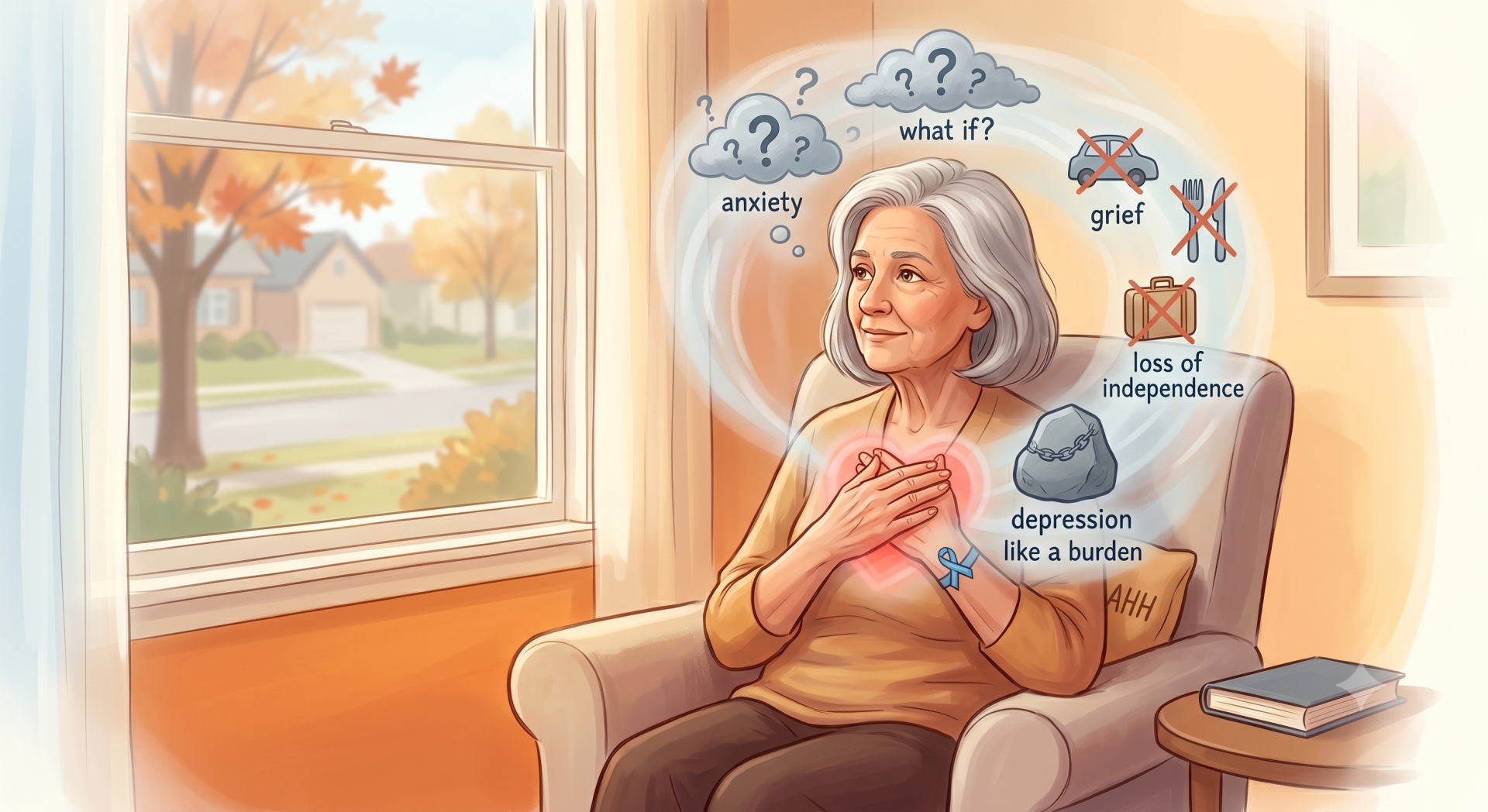
After a cardiac event, a senior's trust in their own body is shattered. Every minor ache, twinge, or moment of fatigue can trigger a wave of panic that another heart attack is imminent. This hyper-vigilance is exhausting. It often leads to seniors becoming afraid to go to sleep, afraid to exercise, or afraid to be left alone for even a few minutes.
2. Grief and the Loss of Independence
Heart disease almost always forces an immediate lifestyle change. Your loved one may suddenly be told they can no longer drive, cannot eat their favorite foods, or shouldn't climb the stairs to their own bedroom. They are grieving the loss of the life they knew and the autonomy they previously enjoyed. This grief can quickly masquerade as anger, stubbornness, or flat-out refusal to comply with doctors' orders.
3. Cardiac Depression
Studies show that up to 33% of heart attack survivors experience significant depression. It is so common that the medical community has a name for it: Cardiac Depression. This isn't just "feeling sad." It manifests as extreme apathy, a desire to stay in bed all day, withdrawing from grandchildren, and feeling like they have become a "burden" to you.
The Dangerous Mind-Body Connection
The emotional impact of heart disease isn't just a mental health issue—it is a physical health crisis. Anxiety increases blood pressure and heart rate, putting physical strain on a healing heart. Depression severely lowers motivation, meaning the senior is less likely to take their medications on time, follow their diet, or participate in vital cardiac rehabilitation exercises.
In short: You cannot separate their emotional recovery from their physical recovery.
How Families Can Help Bridge the Gap
Listen Without "Fixing": When your parent says, "I hate living like this," your first instinct is likely to reply, "But you're alive! You should be grateful!" This invalidates their grief. Instead, try saying, "I know this is incredibly hard and frustrating for you. I'm here."
Focus on What They Can Do: If they can no longer garden outside, can they pot plants at the kitchen table? If they can't walk around the mall, can they go for a scenic drive? Finding safe micro-wins restores a sense of autonomy.
Encourage Cardiac Rehab: Cardiac rehabilitation programs aren't just for physical exercise; they are incredible peer-support groups. Being surrounded by other seniors who have survived similar events reminds them they are not alone.
Monitor for Clinical Depression: If their apathy or sadness persists for more than two weeks, do not assume it will just "pass." Bring it up with their cardiologist or family doctor.
Restoring Peace of Mind at Home
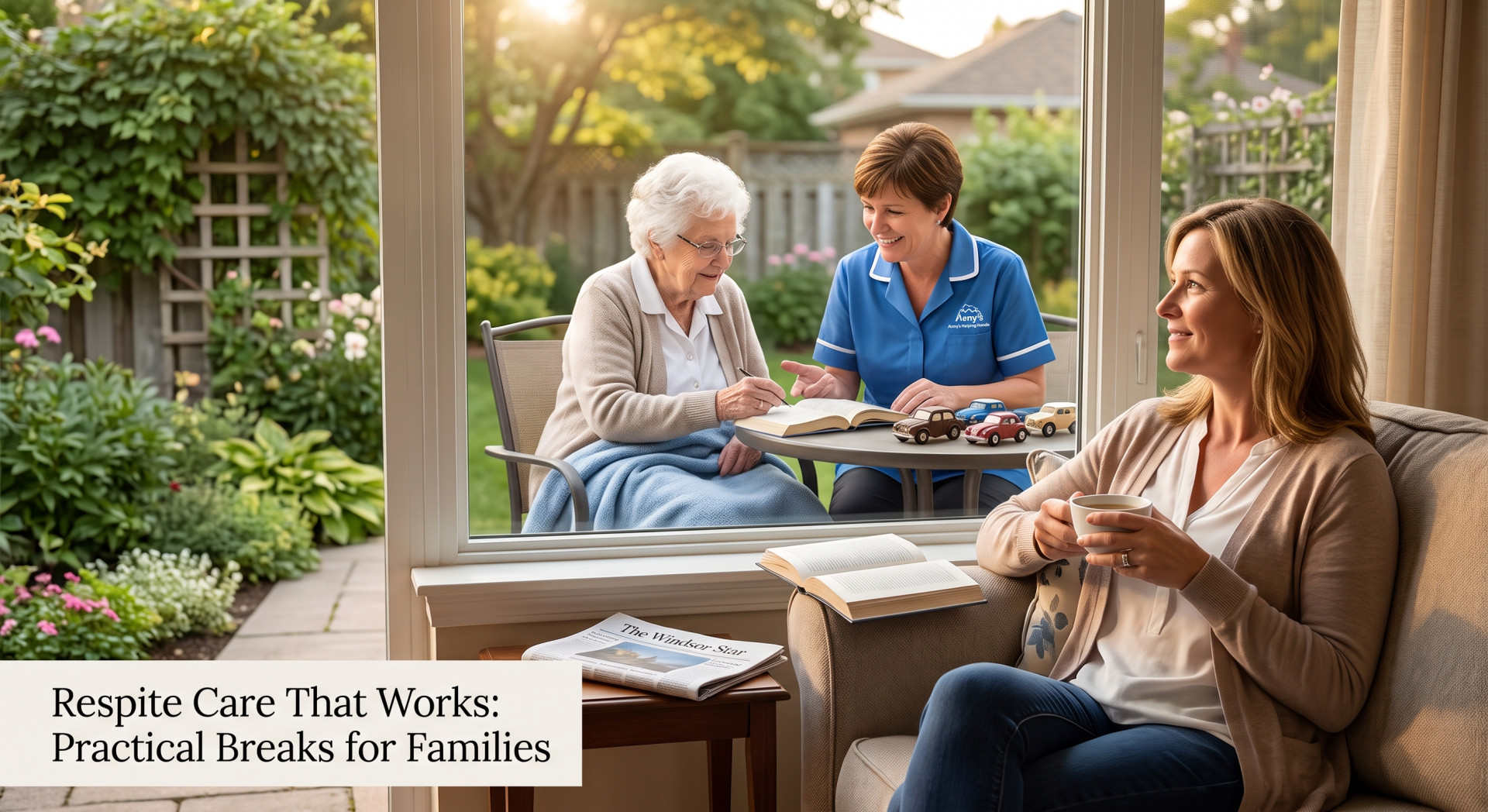
The fear of being alone is one of the heaviest burdens for a senior recovering from a cardiac event—and it places an immense amount of pressure on family caregivers who have to return to work or care for their own children.
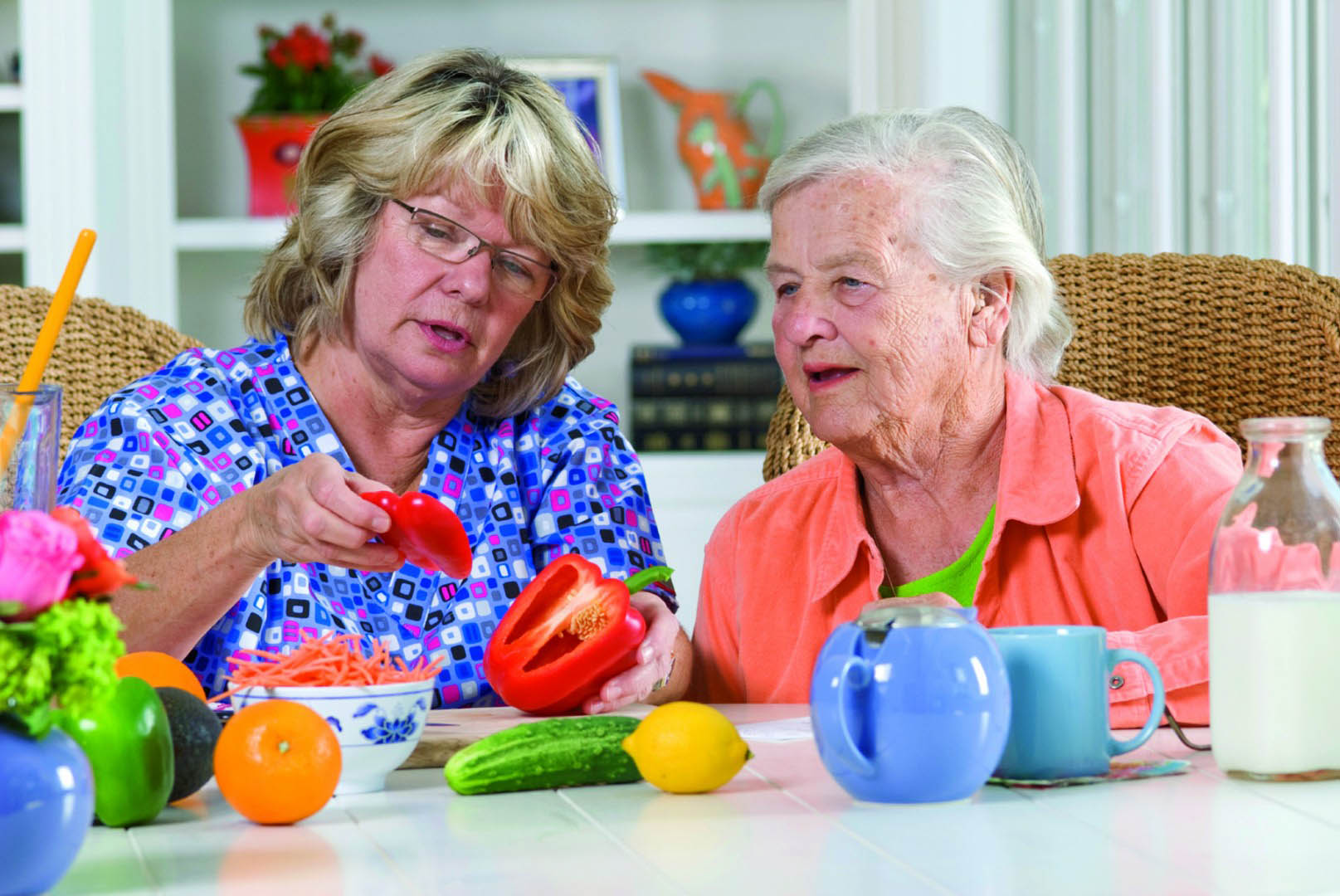
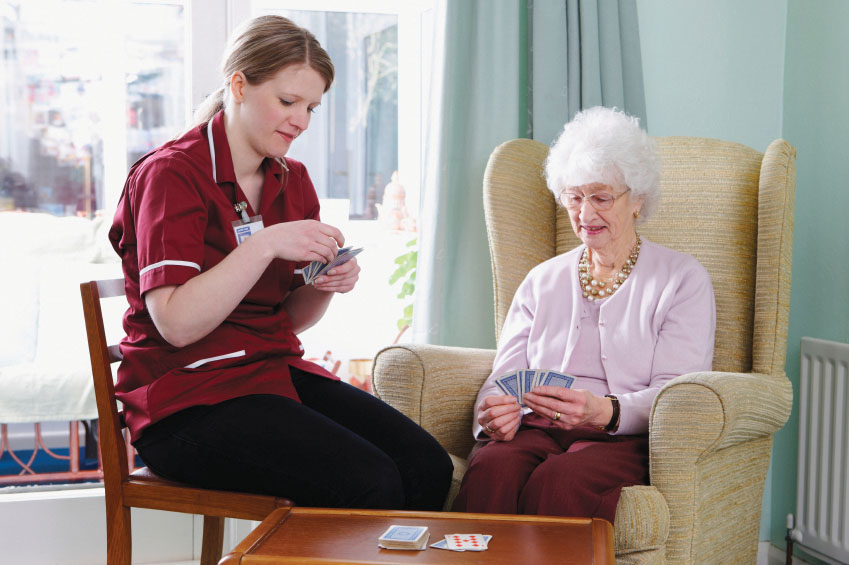
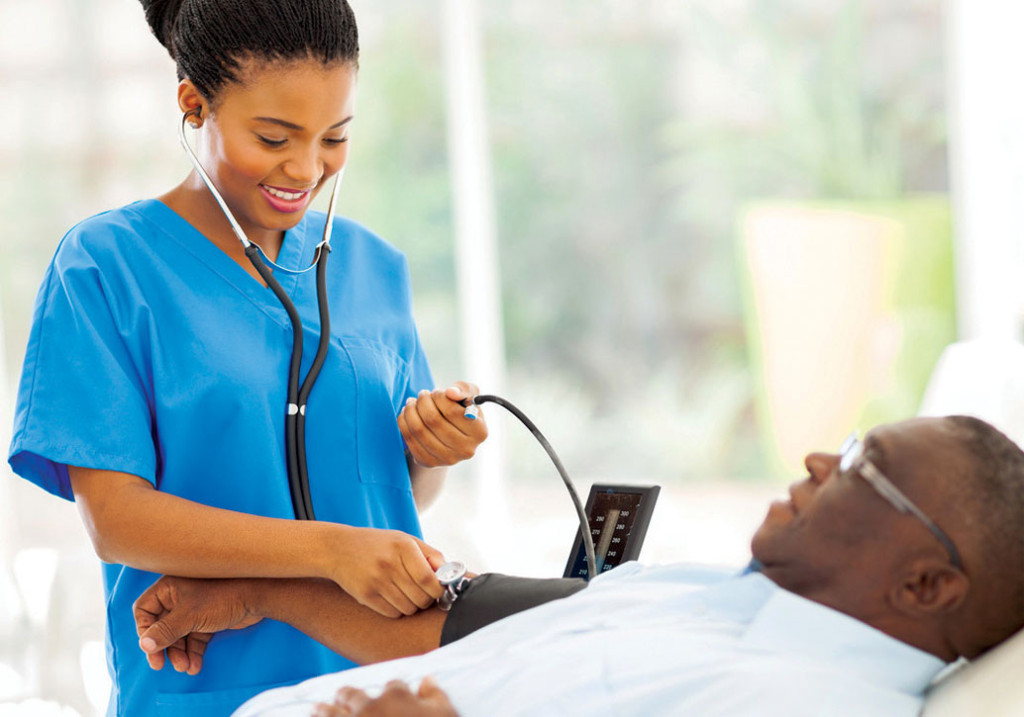
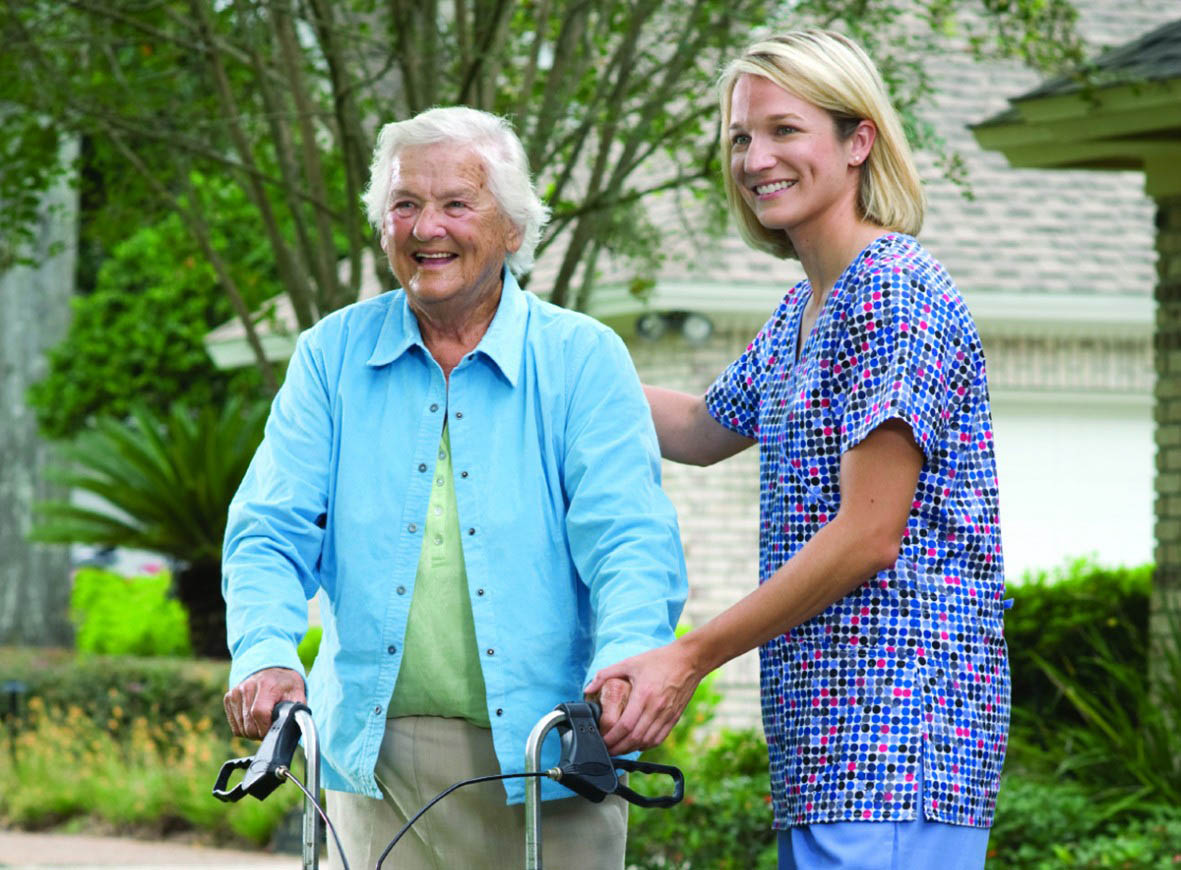
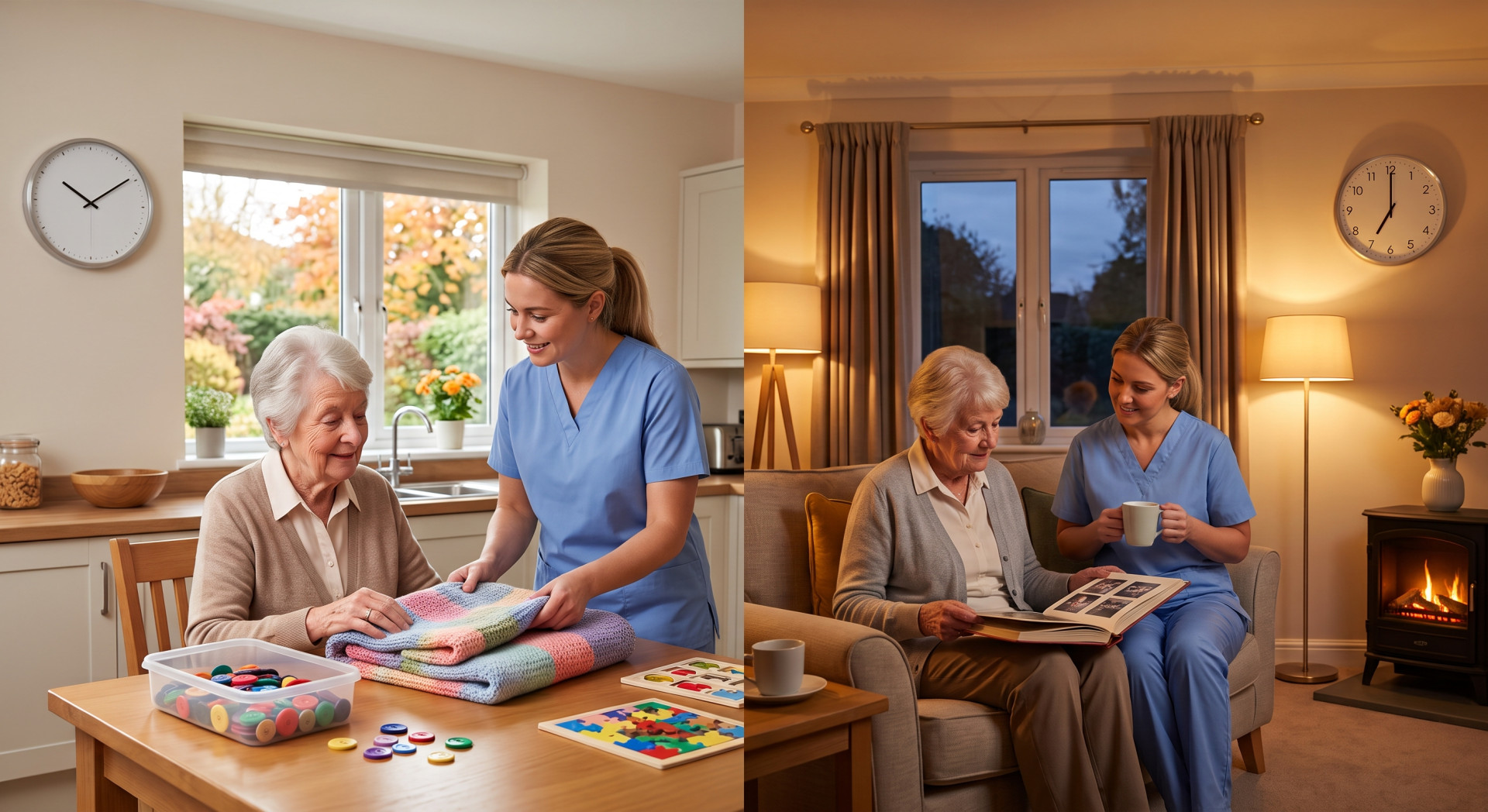
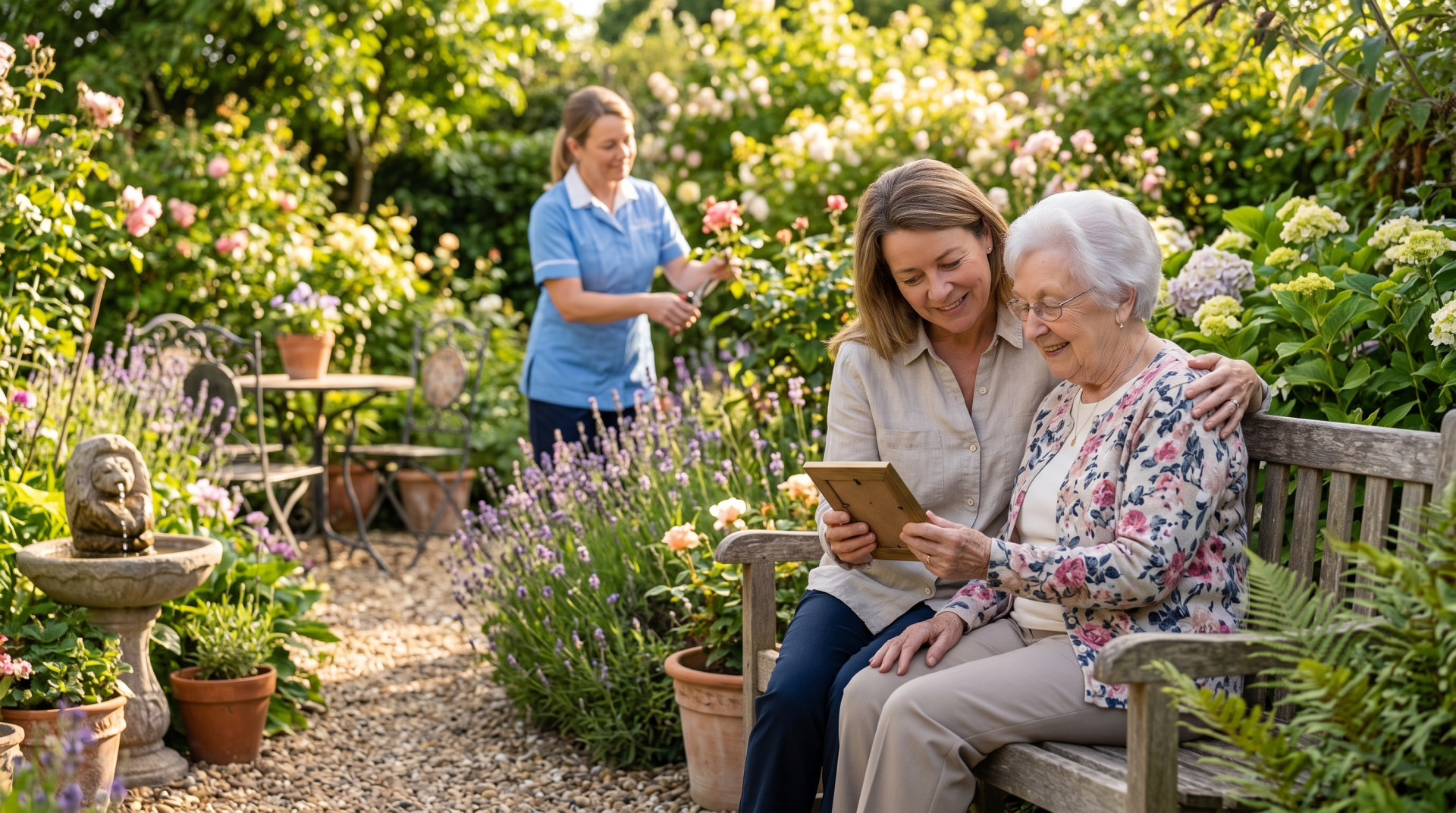
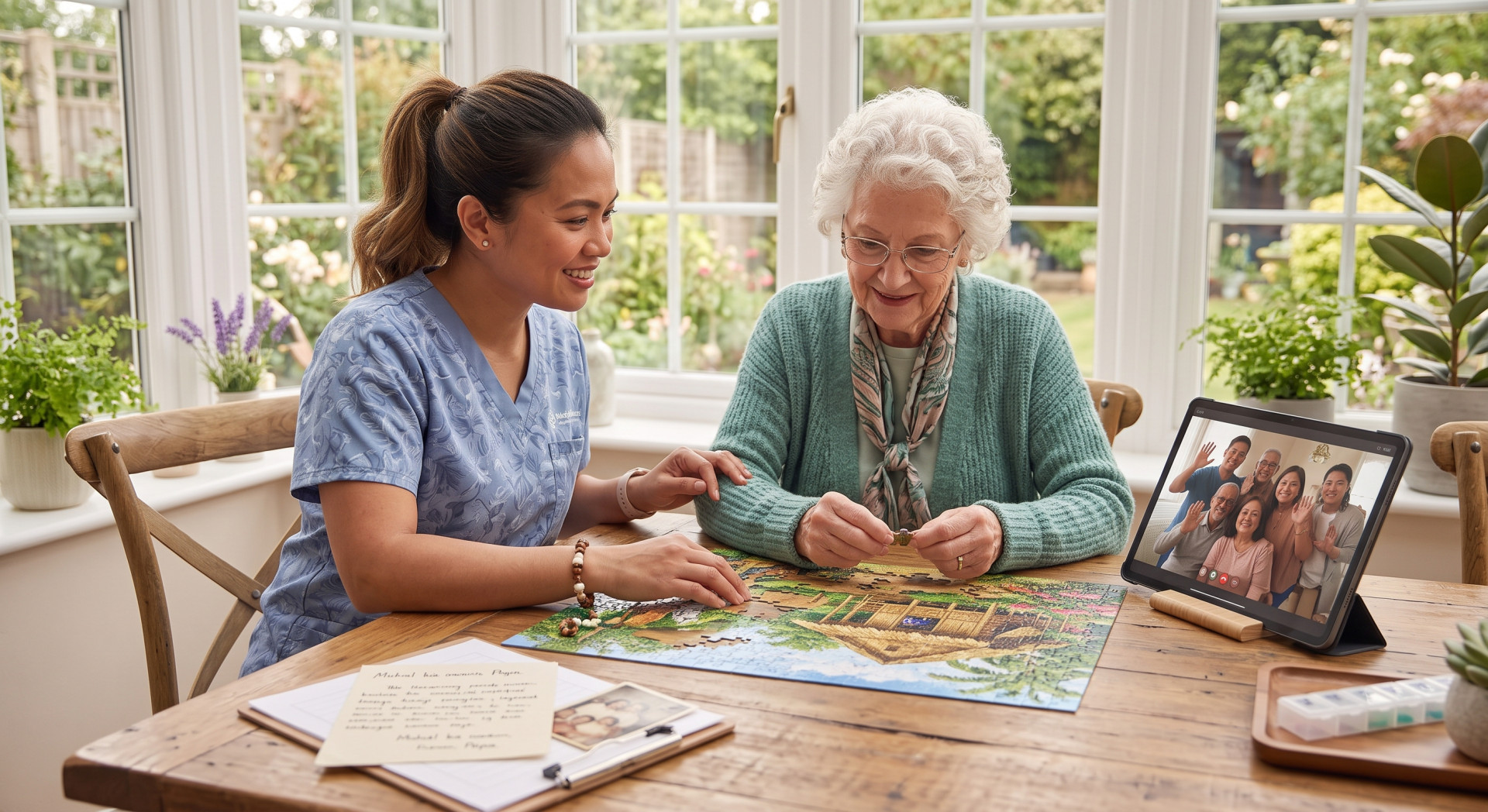
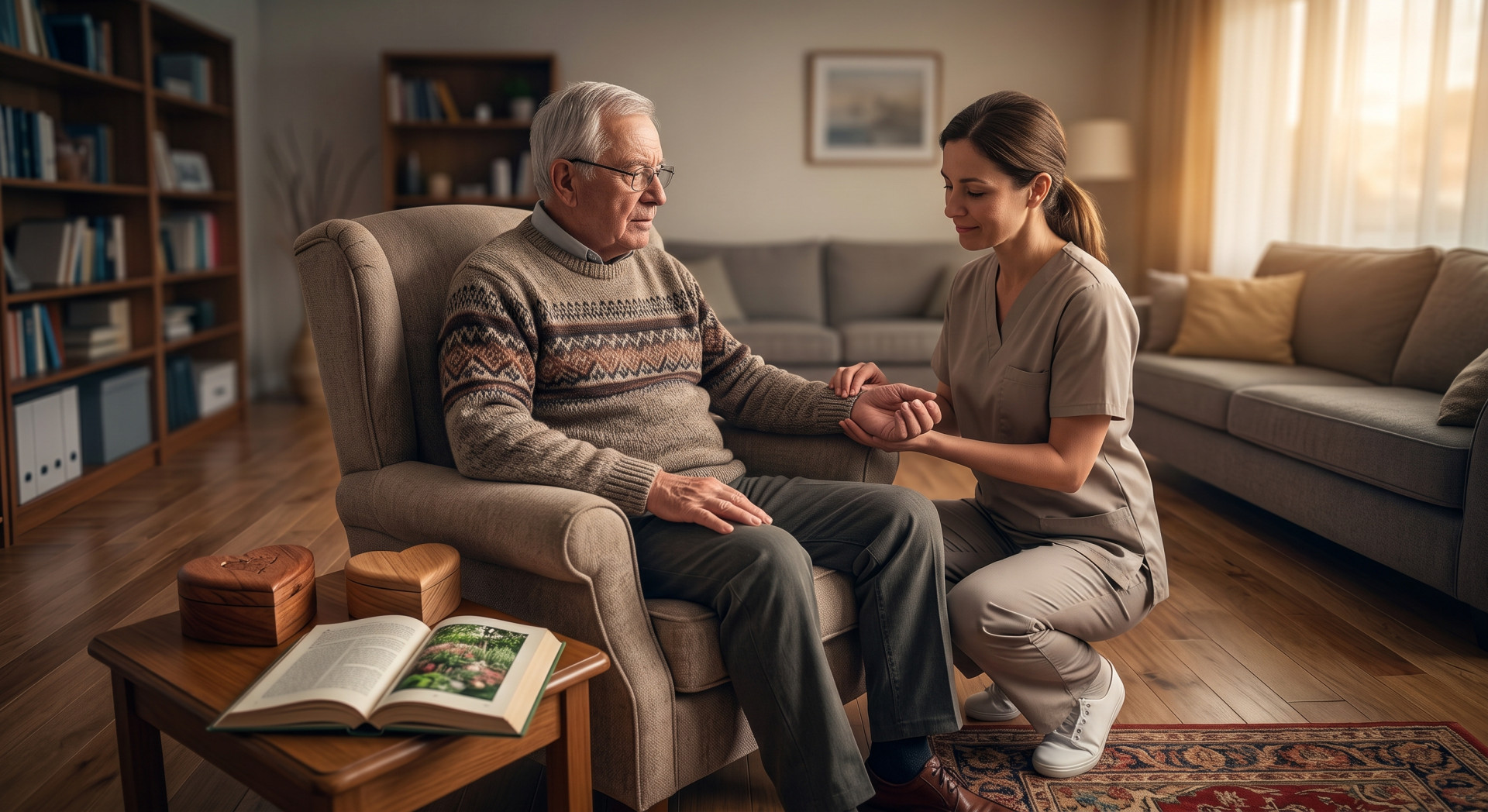
Having a professional caregiver in the home changes the dynamic entirely. At Amy’s Helping Hands, our caregivers are trained to monitor vital signs, prepare heart-healthy meals, and spot the early physical warning signs of a cardiac flare-up. More importantly, they provide compassionate companionship, giving your loved one a safe space to talk, laugh, and focus on living again, while giving you the peace of mind to step away and breathe.
If you are navigating the emotional and physical complexities of heart disease with an aging parent, you do not have to do it alone. Call our Windsor-Essex care team today at 519-915-4370 to learn how our in-home support can aid in a complete recovery.