If your parent has been diagnosed with heart disease or Congestive Heart Failure, their cardiologist has undoubtedly prescribed a strict sodium restriction—typically between 1,500 mg and 2,000 mg per day.
To understand why sodium is so dangerous for a weak heart, picture a sponge. Sodium acts like a sponge inside the bloodstream, pulling and holding onto water. Extra fluid increases overall blood volume, forcing a weakened heart muscle to pump significantly harder against elevated pressure.
However, removing the salt shaker from the dinner table eliminates only about 10% of dietary salt. Over 70% of the sodium seniors consume is hidden inside processed, packaged, and restaurant foods.
Uncovering the "Hidden Salt" Traps
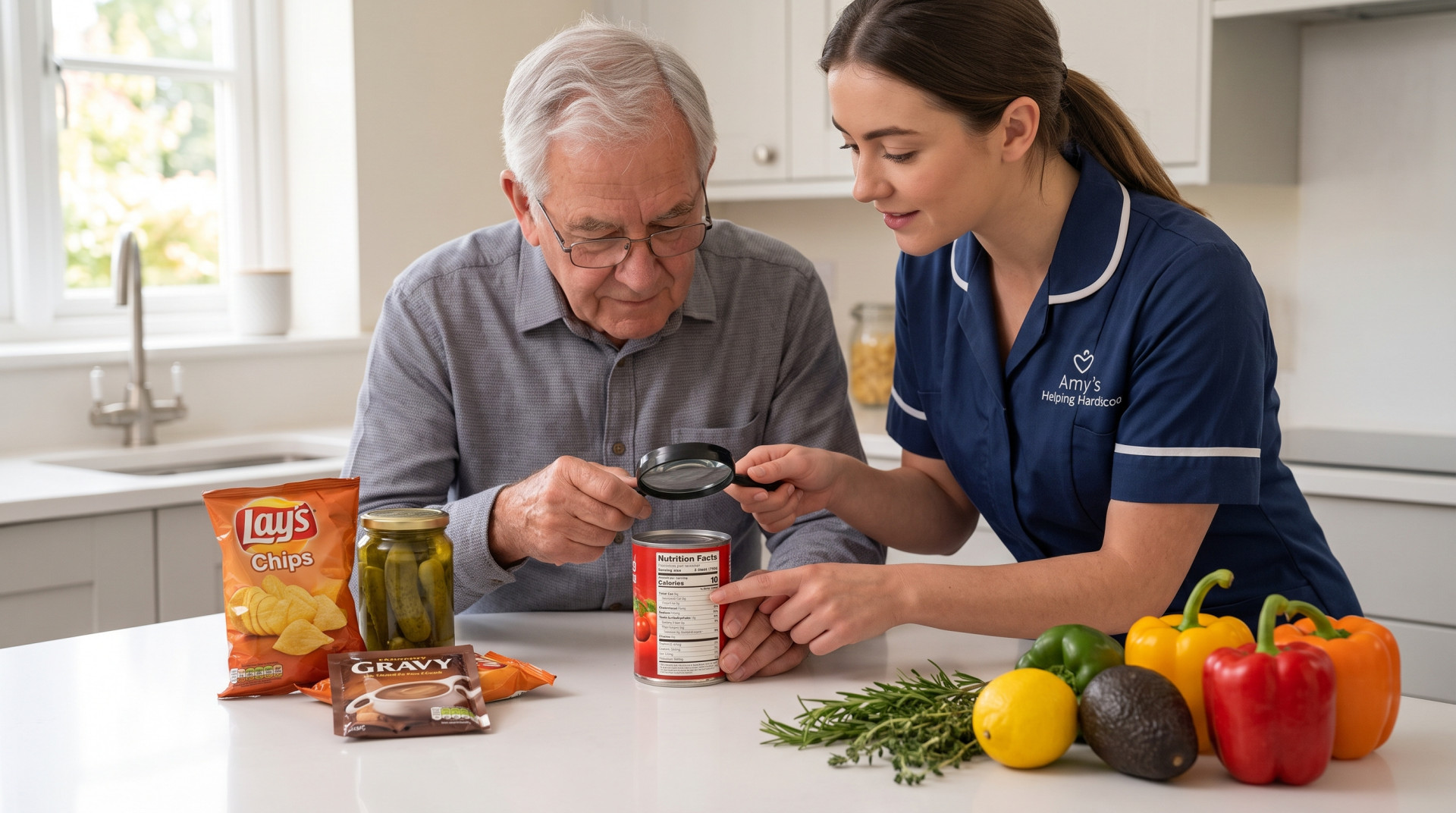
When reading nutrition labels for your parent, be on high alert for these sneaky, high-sodium culprits:
- Canned Soups and Broths: A single cup of standard canned chicken noodle soup can contain over 900 mg of sodium—nearly half of your parent's entire daily limit.
- Store-Bought Bread and Bakery Goods: Bread doesn't taste salty, but due to baking soda and preservatives, a single slice often contains 150 mg to 230 mg of sodium.
- Processed Deli Meats and Cheeses: Cold cuts, bacon, sausages, and processed cheese slices are packed with sodium nitrates and preservatives.
- Bottled Condiments and Sauces: Soy sauce, salad dressings, ketchup, and barbecue sauces are loaded with sodium. A single tablespoon of soy sauce contains roughly 1,000 mg of sodium.
Flavor Without Salt: Culinary Strategies for Seniors
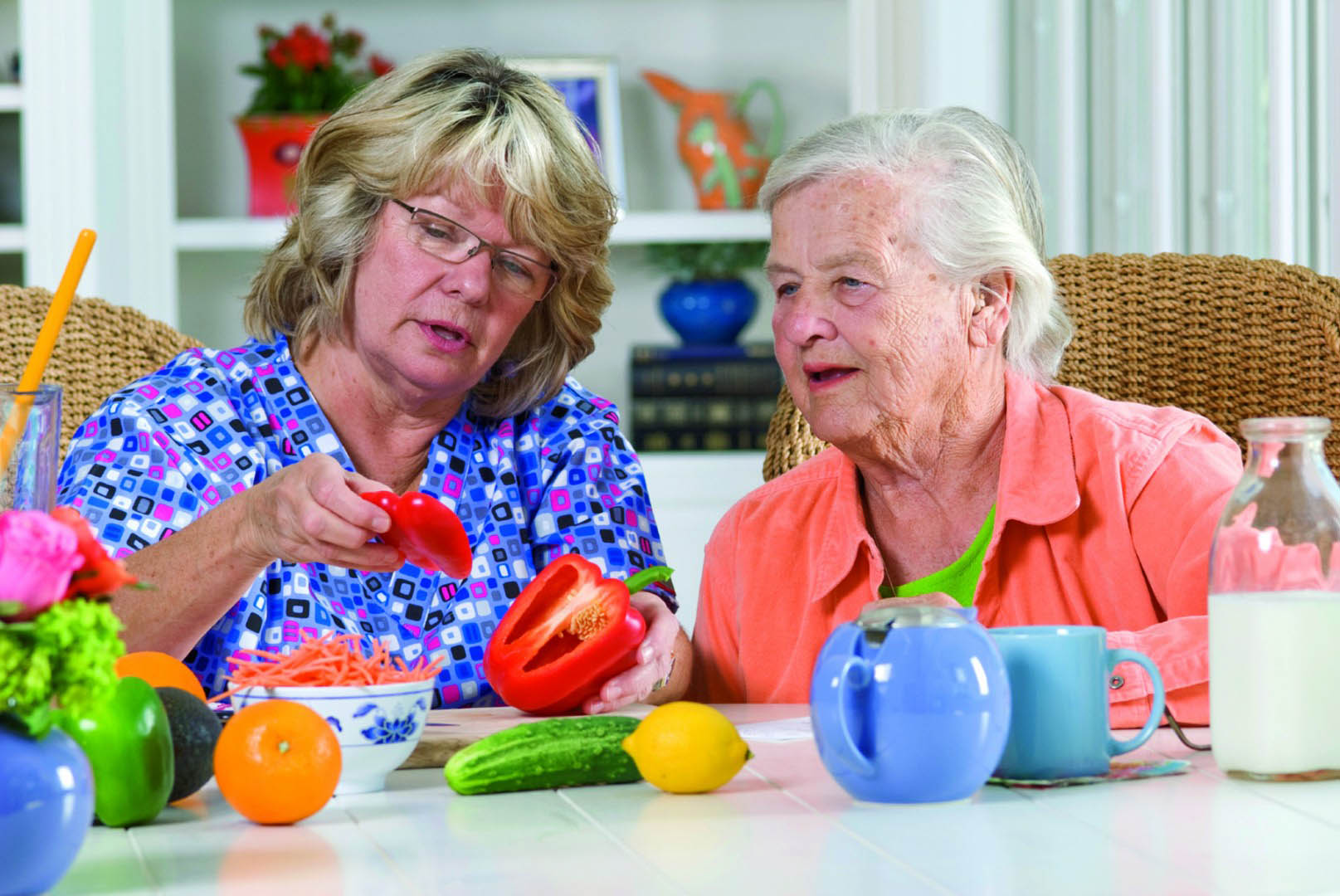
As we age, our taste buds naturally dull, leading many seniors to heavily salt their food just to taste it. You can enhance meal flavor without using salt by leveraging these ingredients:
- Acid and Citrus: Fresh lemon juice, lime juice, or a splash of apple cider vinegar brightens food flavors instantly, mimicking the bite of salt.
- Pungent Aromatics: Cook generously with fresh garlic, sautéed onions, shallots, ginger, and green onions.
- Herbs and Salt-Free Seasoning Blends: Experiment with dill, rosemary, thyme, smoked paprika, and cumin. Use salt-free herbal blends (like Mrs. Dash) liberally.
Kitchen Adaptation Tips for Caregivers
- Rinse Canned Goods: If you must use canned beans or vegetables, dumping them into a colander and rinsing them thoroughly under cold running water for 1 minute removes up to 40% of the sodium content.
- Batch Cook Home Stocks: Make large batches of unsalted chicken or vegetable broth at home, freeze them in ice cube trays, and drop them into dishes for instant, safe flavor.
We Are Available When You Are Ready
Crafting appetizing, fresh, low-sodium meals three times a day takes substantial planning and physical effort.
At Amy’s Helping Hands, our caregivers take the stress out of heart-healthy dining. We handle everything from grocery shopping and reading nutrition labels to preparing fresh, flavorful, low-sodium meals right in your parent's kitchen.
Whenever your family is ready for meal preparation or personal care assistance, fill out our Start Care Now form, or call our Windsor-Essex office at 519-915-4370 (Monday to Friday, 9:00 AM – 5:00 PM).