July in Windsor-Essex often brings heat, humidity, and fast-changing weather. For older adults, that mix can raise the risk of dehydration, dizziness, and heat-related illness. The good news: a few simple routines can keep days calm, hydrated, and safe at home and on short outings.
Use this guide as a practical checklist you can start today. If you notice new concerns, our care team can help you adjust your summer plan and check the home for safety.
Why summer heat is riskier for seniors
As we age, our bodies do not cool as efficiently. Certain heart, blood pressure, and mood medications can also affect hydration or heat tolerance. In Windsor-Essex, humidex days and poor overnight cooling add strain, especially in homes without central air.
Early dehydration signs to watch for:
- Dry mouth or thick saliva
- Headache, light-headedness, or confusion
- Dark urine or less frequent urination
- Fatigue, irritability, or muscle cramps
If symptoms escalate to fainting, chest pain, severe confusion, or no sweating with hot skin, call 911.
Simple hydration strategies that work
Set the goal of steady sipping rather than large drinks all at once. Build fluid cues into normal routines so hydration happens without effort.
- Schedule drinks: 1 glass at wake-up, with each medication round, at every meal, mid-afternoon, and early evening. Use a marked bottle to track progress.
- Make drinks appealing: offer chilled water, diluted juice, herbal iced tea, or oral rehydration solutions if recommended by a clinician. For dysphagia or thickened-fluid needs, follow your provider’s guidance.
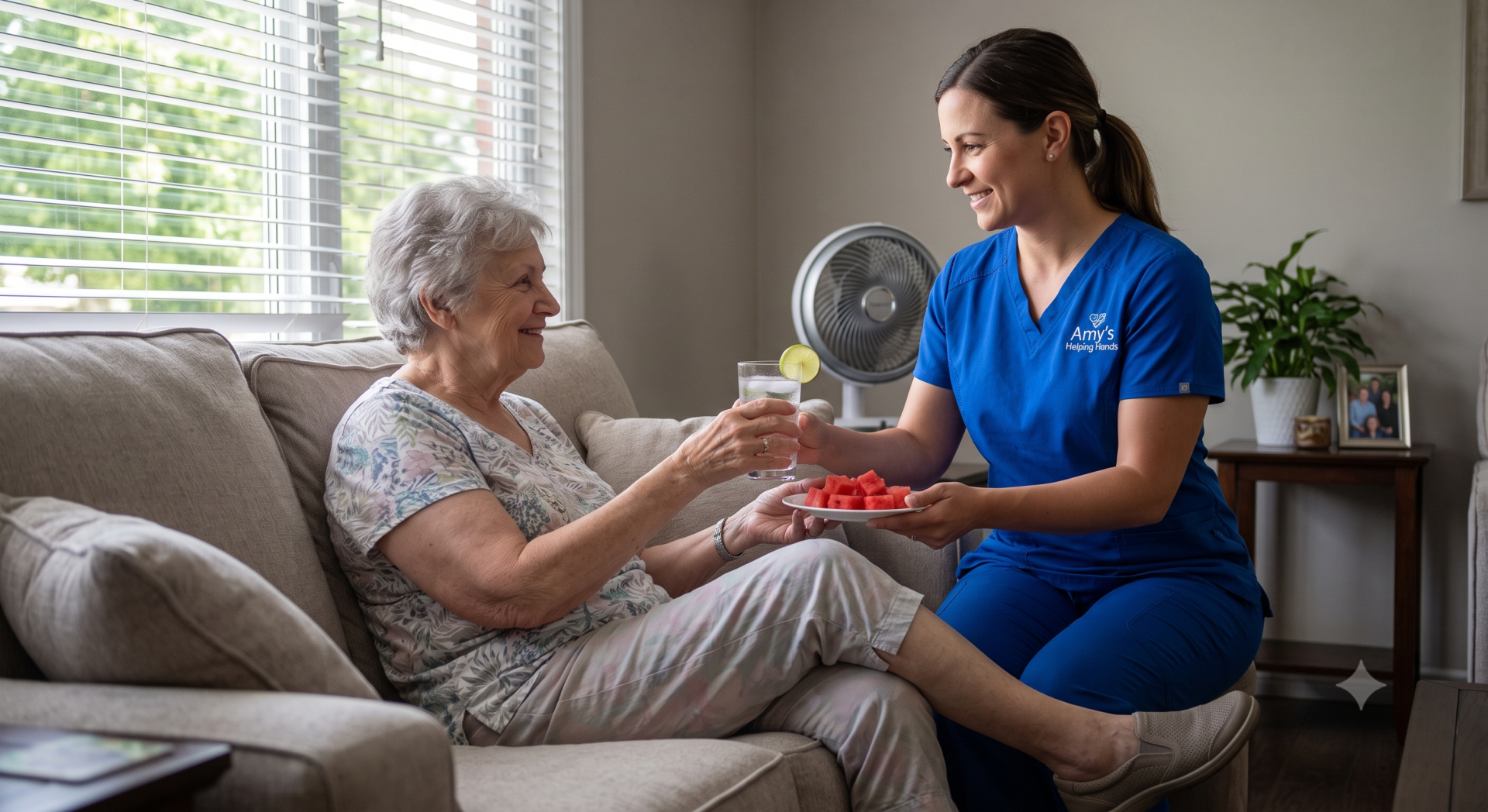
- Serve high-water foods: cucumber rounds, watermelon cubes, orange slices, grapes, berries, tomatoes, lettuce, yogurt, and popsicles made with diluted juice.
- Pair fluids with habits: a glass after washing hands, after a brief walk, or when closing blinds in the afternoon.
- Plan for outings: pack a small insulated bag with water, hydrating snacks, and ice packs. Sip every 15 to 20 minutes in hot weather.
Medication considerations: Some diuretics, laxatives, antihistamines, and mood or blood pressure medicines can influence hydration status or heat tolerance. Ask a healthcare provider or pharmacist how summer heat may affect your parent’s specific medications. Our nurse case managers can help coordinate questions and observe for side effects that might look like dehydration or confusion.
Gentle summer routines for dementia
Predictable, low-stimulus days help reduce agitation and late-day restlessness when it is hot.
- Keep mornings calm and purposeful: light stretching, a short shaded walk, balcony time, or watering plants before 10 a.m.
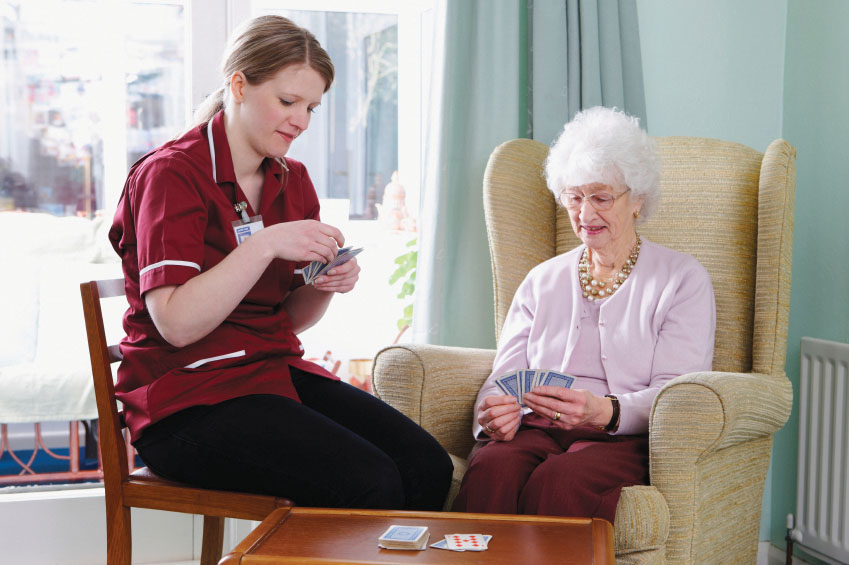
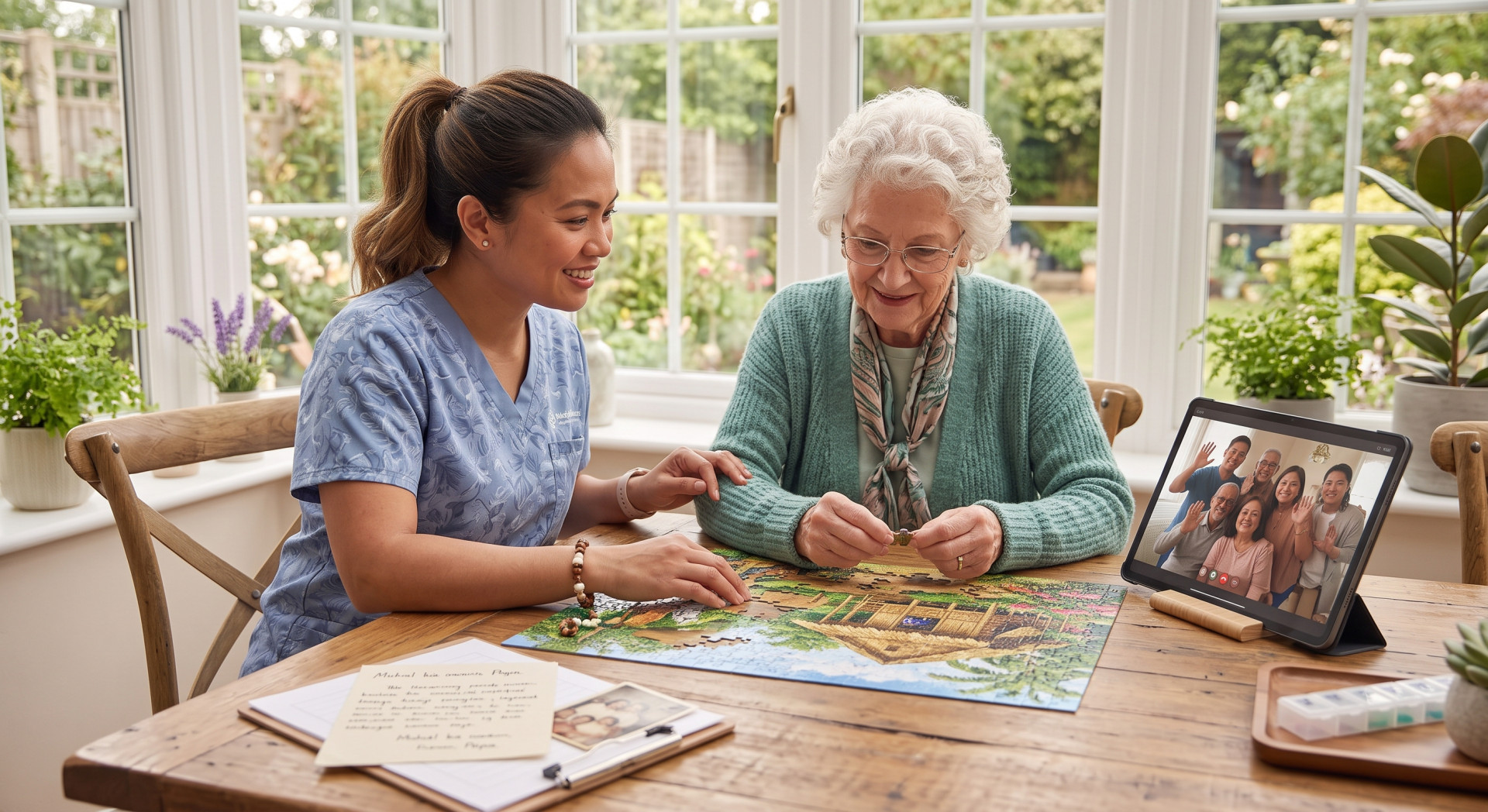
- Protect the midday: close blinds, use fans or AC, and choose quiet indoor activities like sorting photos, simple crafts, card games, listening to favourite music, or tasting cold fruit together.
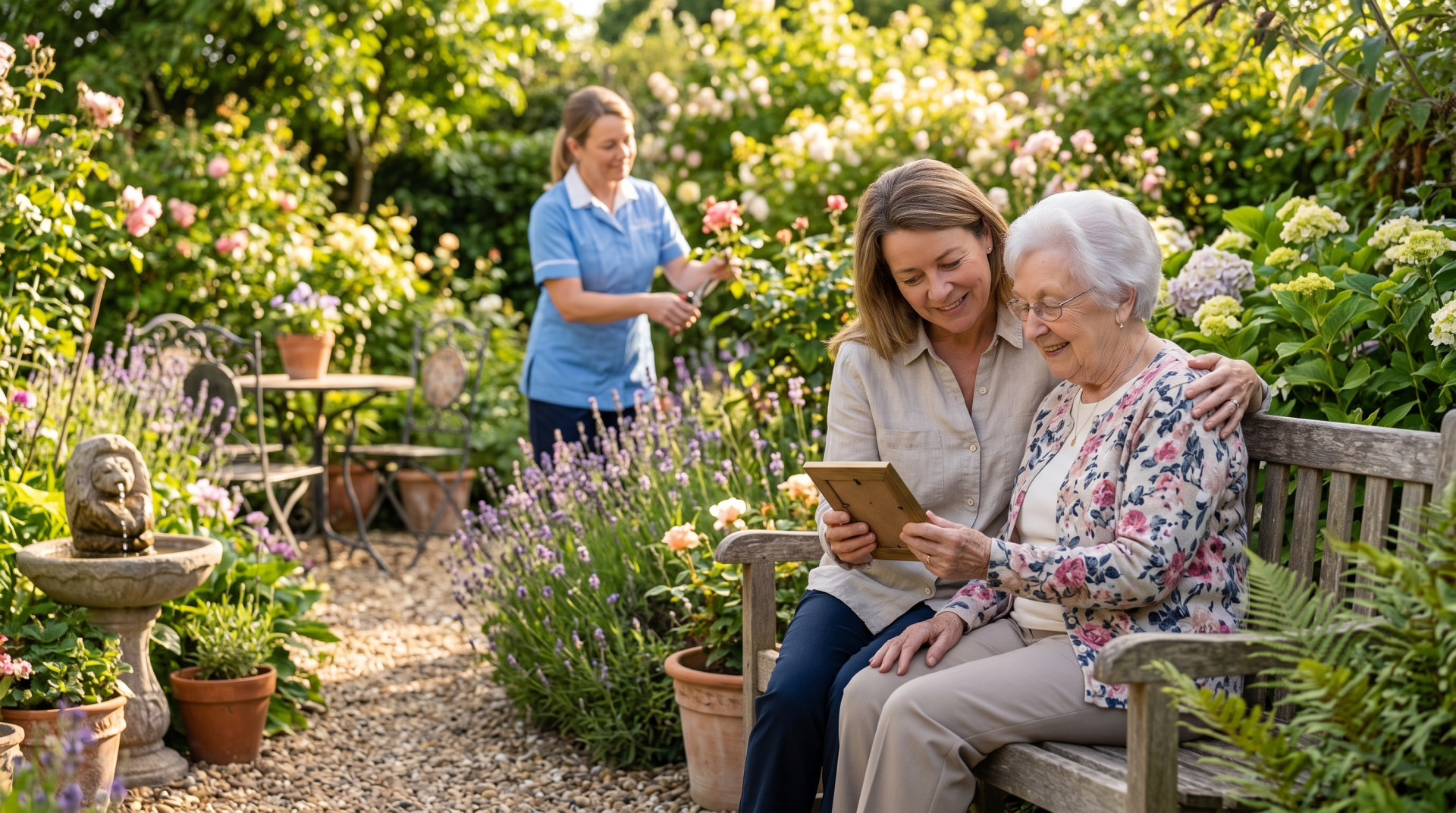
- Plan brief, supported outings: pick shady parks like Jackson Park or waterfront paths earlier in the day, schedule seated breaks, and bring fluids, a hat, and light layers.
- Use simple cues: one-step prompts, gentle reminders to sip, and unhurried pacing. Dim lights and reduce noise in the evening to lower stimulation.
Our caregivers follow dementia-friendly routines that emphasize reassurance, redirection, short activities, and rest breaks so days feel steady and safe.
How Amy’s Helping Hands supports your summer plan
Families often ask how to manage an elderly parent when heat, routines, and safety all compete for attention. We can share the load with:
- Hydration prompting and medication reminders, with monitoring and timely updates to families
- Meal prep with hydrating foods and light summer menus
- Dignity-focused personal care, including safe bathing when it is coolest
- Transportation with daylight planning, door-to-door assistance, and paced rest stops
- Calm companionship, quiet engagement, and dementia-aware approaches
- Urgent response coordination if concerns escalate, with 24/7 scheduling support
If you are exploring in-home support, learn more about our in home care across Windsor-Essex. You can start with a complimentary assessment to personalize routines for summer. For families considering structured daytime engagement, our team can also coordinate adult day program participation and transport.
Home safety refresh for July
A few quick changes lower fall and heat risks during a humid stretch.
- Clear walkways: remove loose rugs, cords, and clutter from halls and beside the bed. Keep essential items within easy reach.
- Improve traction: add non-slip mats in the shower and beside the tub; keep a dry towel nearby for damp floors.
- Cool the home: use fans to move air, run AC if available, and close south- and west-facing blinds mid-afternoon.
- Light wisely: add night lights to bathrooms and hallways; keep a small flashlight by the bed.
- Footwear and clothing: pick stable, closed-back shoes with good tread; choose breathable, light-coloured clothing and a brimmed hat for outings.
- Bathroom safety: consider grab bars, a shower chair, and handheld shower to reduce fatigue on hot days.
If you prefer a guided review, ask us for a complimentary home safety check. We can create a simple fall-prevention plan and summer care update tailored to your space.
Local outing ideas with heat in mind
- Morning strolls: Jackson Park gardens, Coventry Gardens, or the Ganatchio Trail before the midday heat
- Air-conditioned breaks: Devonshire Mall walking loops, local libraries, or museum visits with seated rest
- Shaded enjoyment: picnic tables under trees at Malden Park with water and fruit on hand
Plan short trips with a cool car, a shaded destination, and a defined rest stop. Keep an exit plan if the weather turns.
Quick FAQ for family caregivers
How to manage an elderly parent in summer?
- Use a daily hydration schedule, cool the home, and organize gentle morning activities with midday rest. Add prompts for medications and fluids, and reduce clutter to prevent falls.
How to cope with caring for an elderly parent?
- Share tasks with siblings or a trusted agency, schedule respite, and keep a simple routine you can maintain. Watch your own hydration, sleep, and stress signals.
What to do when parents cannot take care of themselves?
- Start with a safety and care assessment, update the home for fall prevention, and arrange consistent support. Consider professional in-home help for personal care, meals, hydration, and transportation. When hospital-to-home transitions or urgent changes occur, transitional support can stabilize routines.
For more guidance on recognizing when help is needed, see our practical checklist: https://www.amyshelpinghands.ca/senior-safety-280/10-signs-your-elderly-parent-needs-help
If a recent discharge or rapid change is adding pressure, our transitional care services can help you plan the first days at home: https://www.amyshelpinghands.ca/in-hospital-and-going-home-from-hospital-senior-care-windsor-essex
Your next step
Summer can be safe and enjoyable with the right plan. If you would like a second set of eyes on hydration routines, dementia-friendly days, or a room-by-room safety refresh, request a complimentary home safety check and summer care plan update. Call Amy’s Helping Hands at (519) 915-4370 or email care@amyshelpinghands.ca. We serve Windsor-Essex with compassionate, personalized in-home care that helps seniors stay comfortable, hydrated, and safe.