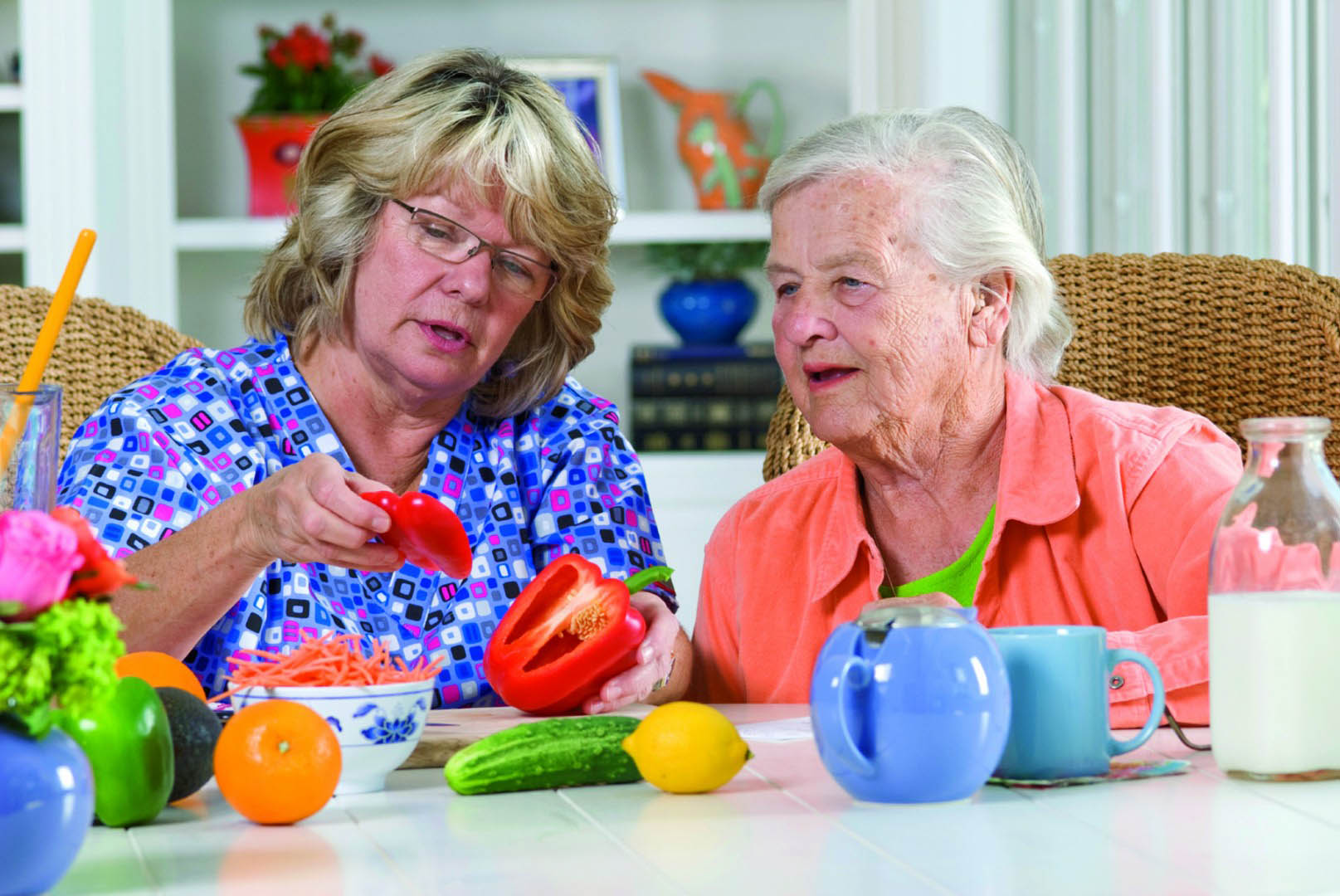
Parkinson’s disease affects smooth muscle control and coordination throughout the entire body—including the more than 40 pairs of muscles required to chew, form a food ball (bolus), and swallow safely.
Swallowing impairment (dysphagia) develops gradually in up to 80% of individuals with Parkinson's. Because the decline is slow, family caregivers often miss the subtle warning signs until a sudden health crisis occurs.
Unmanaged dysphagia can lead to dangerous choking episodes or aspiration pneumonia—a severe lung infection caused when food particles, liquids, or saliva enter the lungs instead of the stomach.
Recognizing the Early Signs of Dysphagia
Keep a close eye out for these subtle red flags during and immediately after meals:
- Mealtime Coughing or Throat Clearing: Frequent coughing, throat clearing, or watering eyes while eating or drinking thin liquids like water or coffee.
- The "Wet" Voice: A wet, "gurgly" or hoarse vocal quality immediately after swallowing a bite or sip.
- Pocketing Food: Holding food in the cheeks or roof of the mouth for long periods without swallowing.
- Prolonged Meal Times: Taking 45 to 60 minutes or longer to finish a small portion of food due to chewing fatigue.
- Unexplained Weight Loss or Recurrent Chest Infections: Repeated bouts of bronchitis or unexplained fever can be a sign of silent aspiration (liquids entering the lungs without triggering a cough).
Essential Safety Protocols for Safe Swallowing
- The "Chin Tuck" Technique: Teach your parent to take a bite, upright their head, and consciously tuck their chin down toward their chest when swallowing. The chin-tuck position physically narrows the entrance to the airway (trachea) while opening the passage to the esophagus, dramatically lowering aspiration risk.
- Double Swallowing: Encourage your parent to take small bites and swallow twice for every mouthful of food before taking another bite.
- Avoid Thin Liquids (If Recommended): Thin liquids like tap water, tea, and juice travel rapidly down the throat before weak throat muscles can close the airway. If recommended by a speech-language pathologist, use commercial gel or powder thickeners to adjust beverages to a "nectar" or "honey" consistency.
- Remain Upright for 30 Minutes Post-Meal: Never allow your parent to lie down immediately after eating or drinking. Gravity helps move food smoothly down the esophagus and prevents acid reflux or regurgitation.
We Are Available When You Are Ready
Navigating dysphagia protocols requires constant alertness, patience, and proper meal preparation.
At Amy’s Helping Hands, our caregivers work alongside nurse case managers to ensure all safe-swallowing instructions, meal texture modifications, and posture guidelines are meticulously followed.
Whenever you are ready to discuss mealtime assistance or in-home support across Windsor-Essex, fill out our Start Care Now form, or call our office directly at 519-915-4370 during office hours (Monday to Friday, 9:00 AM – 5:00 PM).