 Choosing where a loved one with dementia should live is one of the most emotional and complex decisions a family can face. Needs can change quickly. What felt safe last month may not feel safe today.
You want consistency, comfort, and dignity. You also want to know that safety risks are managed, daily routines are kept, and someone is watching for subtle changes. This guide walks through options in Windsor-Essex so you can make a confident, compassionate choice for your family.
At Amy’s Helping Hands, our nurse case managers help families compare options, coordinate services, and provide daily reporting so you always know how things are going. If you are unsure where to start, a complimentary in-home assessment can help you plan next steps.
Why the decision is hard
Dementia affects thinking, insight, and routines. Abilities can vary day to day. What works in the early stage may not fit during moderate or advanced stages. Families must balance:
- Safety, wandering risk, falls, and medication needs
- Stimulation and calm routines without overstimulation
- Familiarity and comfort versus available staffing and oversight
- Budget, waitlists, and location near family
There is no one-size-fits-all answer. The best option is the one that maintains dignity, protects safety, and meets daily needs today, with room to adjust tomorrow.
Signs it is time to review living arrangements
Consider a change if you notice:
- Increased falls, wandering, or getting lost
- Missed medications, poor nutrition, weight loss, or dehydration
- Sleep disruption, late-day agitation, or new confusion
- Personal care is becoming unsafe or resisted
- Isolation, loneliness, or boredom most days
- Caregiver burnout at home or rising stress in the family
- Discharge from hospital with new care needs or mobility changes
If several apply, it may be time to increase support at home, add one-on-one help in a retirement home, or explore long-term care.
Option A: Staying at home with personalized support
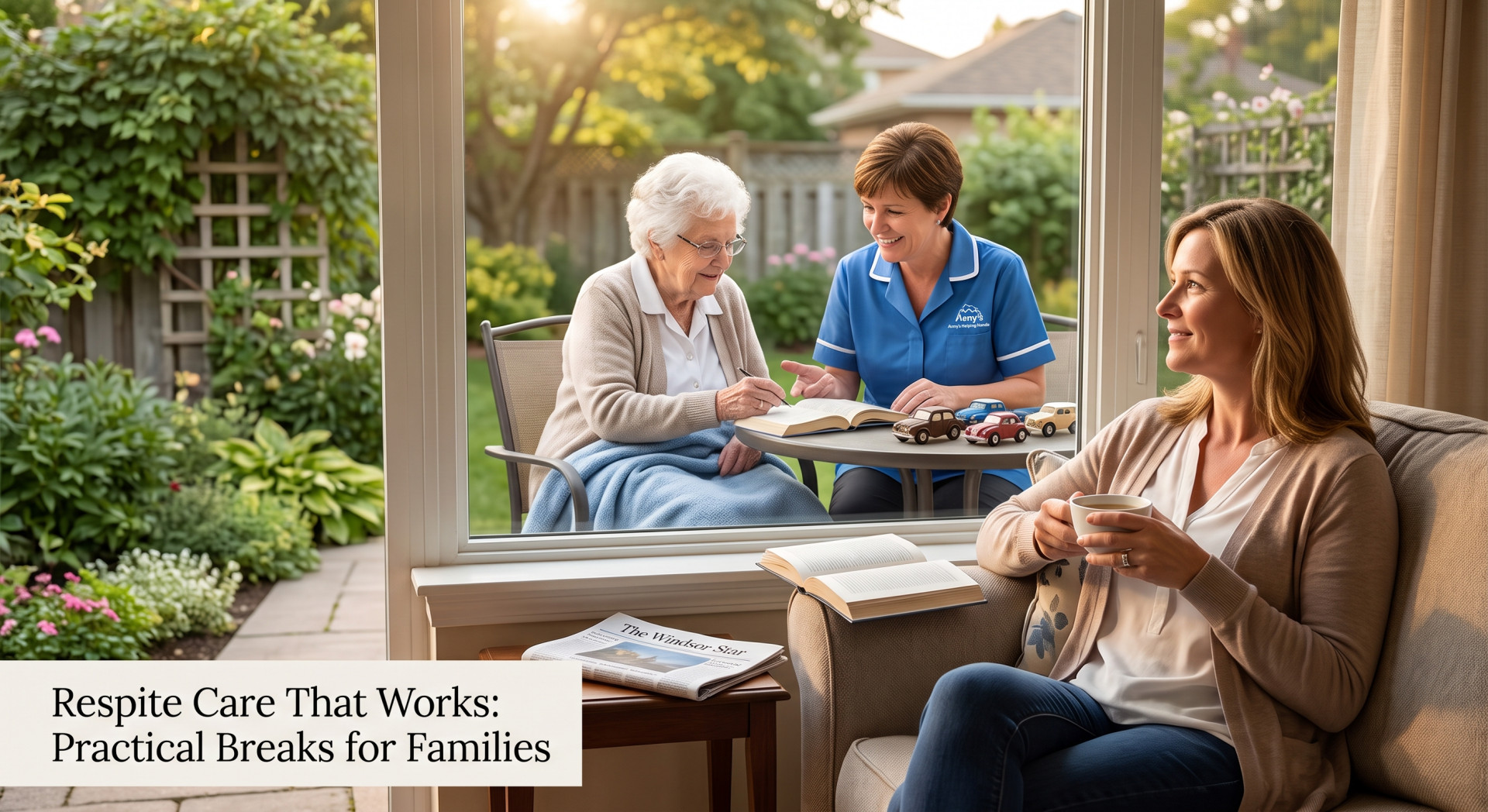
Home can be the right choice when safety can be managed with reliable help and the person benefits from familiar surroundings.
What in-home support can include:
- Companionship and dementia-friendly engagement using calm, predictable routines
- Personal care such as bathing, dressing, grooming, continence support, and safe transfers
- Medication reminders and monitoring with coordination by a nurse case manager
- Meal planning and preparation, hydration support, and encouragement during meals
- Light housekeeping, laundry, and fall-prevention organizing
- Transportation and door-through-door accompaniment for appointments and outings
- Overnight or around-the-clock care when continuous presence is needed
Benefits:
- Familiar environment, reduced disorientation, tailored routines
- Flexible hours and staffing that can scale up or down
- One-on-one attention and detailed daily reporting to family
Considerations:
- Home safety updates may be needed
- Costs vary by hours and skill level
- Coordination is important to prevent gaps in coverage
Typical private-pay rates for in-home care in our region often range from approximately $35 to $45 per hour, depending on service type and visit duration. Final quotes are provided after a complimentary assessment.
Explore local options for in home care Windsor through Amy’s Helping Hands, including companionship, personal care, and transportation, all coordinated by nurse case managers. To learn more, see our page on elder in-home care services at Amy’s Helping Hands.
Option B: Retirement home with supplemental one-on-one care
Retirement homes offer meals, activities, and a
social setting. They typically suit people who can live semi-independently with scheduled supports. For many residents with dementia, supplemental private caregiving fills the gaps.
How this model works:
- The residence provides housing, meals, housekeeping, and group programs
- Private one-on-one caregivers add cueing, companionship, safe transfers, mealtime assistance, and dementia-friendly routines
- Families can increase or decrease hours as needs change or during transitions
Benefits:
- Built-in social opportunities and amenities
- Flexible private support layered on top of residence services
- Helpful when routine prompts and mealtime encouragement make a big difference
Considerations:
- Private one-on-one care is still needed for predictable dementia support
- Costs include monthly rent plus private caregiving hours
- Not all retirement homes are secure for high wandering risk
If you are comparing retirement care services and want consistent one-on-one support, our team can coordinate on-site care that complements residence staff. Learn more about how we support residents in retirement and long-term care settings at Amy’s Helping Hands.
Option C: Long-term care basics and when it is appropriate
Long-term care facilities are designed for people who need 24-hour supervision, hands-on personal care, or secure memory care. In Ontario, applications go through Home and Community Care Support Services, and waitlists are common.
When long-term care is often appropriate:
- High or escalating wandering risk and safety concerns
- Complex personal care needs that exceed what can be safely delivered at home or in retirement settings
- Frequent night-time care needs or unplanned behaviours that require continuous supervision
- Medical complexity requiring on-site nursing oversight
Considerations:
- Wait times can vary by location and room type
- Families can add private supplemental caregiving for mealtime support or engagement
- Familiar items and consistent visits often help with adjustment
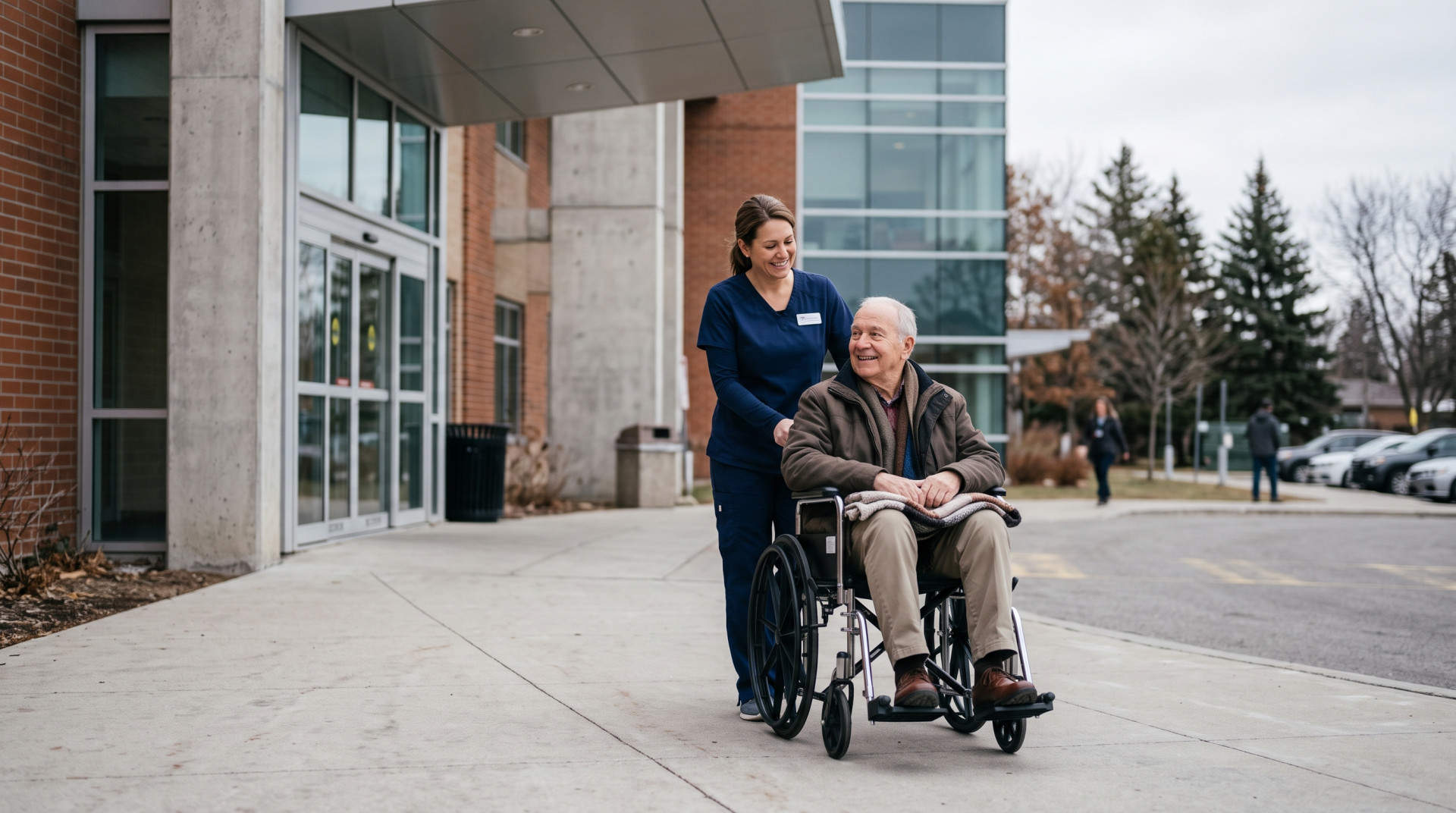
If you are in hospital and planning a hospital to home transition while awaiting long-term care, short-term transitional care services can stabilize routines and reduce readmission risk.
Safety, stimulation, and routine
People living with dementia often do best with calm, predictable days. Practical approaches include:
- Consistent wake and sleep times, unhurried personal care, and simple cues
- Low-stimulus activities, music, reminiscence, short walks, and quiet breaks
- Hydration reminders and regular, appealing meals
- Gentle redirection and meaningful tasks that feel familiar
Our caregivers receive dementia-awareness training as part of onboarding, and nurse case managers guide individualized routines and monitor changes, with daily reporting for families.
High-level costs and wait lists
- Home with private support: often $35 to $45 per hour, adjusted by service type and schedule. Minimum visit durations may apply.
- Retirement home: monthly rent plus private caregiving hours as needed.
- Long-term care: provincially set accommodation fees with means-tested options; private supplemental care is optional.
Wait lists:
- Retirement homes may have suite availability; popular suites can have waits.
- Long-term care typically involves a formal application and wait list through Home and Community Care Support Services.
Exact details vary. We can help you compare real numbers for your situation.
How our complimentary in-home assessment helps
A nurse case manager meets you at home or on-site to review:
- Daily routines, mobility, falls, and bathroom safety
- Medications, nutrition, hydration, and cueing needs
- Behaviour triggers, late-day patterns, and calming strategies
- Visit length, frequency, and caregiver match
- Transportation, community programs, and backup plans
You receive a personalized plan, schedule options, and a clear quote. We adjust the plan as needs change and provide daily electronic reports so families can stay informed.
Local next steps in Windsor-Essex
- If staying home: explore home care services Windsor Ontario to see how flexible visits can support safety and routine.
- If moving to a residence: we can coordinate on-site one-on-one support in retirement homes across Windsor-Essex.
- If considering long-term care: we can help you prepare the application and bridge care at home or in residence while you wait.
Call (519) 915-4370 or email care@amyshelpinghands.ca to book a complimentary in-home assessment. We serve Windsor and Essex County, including Tecumseh, LaSalle, Lakeshore, Leamington, Kingsville, Amherstburg, and Harrow.
Quick FAQ
- Where should someone with dementia live? The best setting is the one that meets safety, supervision, and routine needs today, with room to adjust. That may be at home with private support, a retirement home plus one-on-one care, or long-term care for 24-hour needs.
- What care options are available? In-home support, retirement living with supplemental private caregivers, and long-term care. Adult day programs and transitional support can be combined with any option.
- What is the best care for dementia? Care that is calm, consistent, and person-centred, with safety, daily structure, and meaningful activities. Nurse oversight and clear communication help families stay in the loop.
- What services are available? Companionship, personal care, medication reminders, meal preparation, transportation, housekeeping, overnight and 24-hour care, hospital-to-home support, and supplemental care in retirement and long-term care.
Gentle next step
You do not have to choose alone. A short conversation can clarify the safest, most comfortable plan for your loved one. Contact Amy’s Helping Hands at (519) 915-4370 or care@amyshelpinghands.ca to book your complimentary in-home assessment.