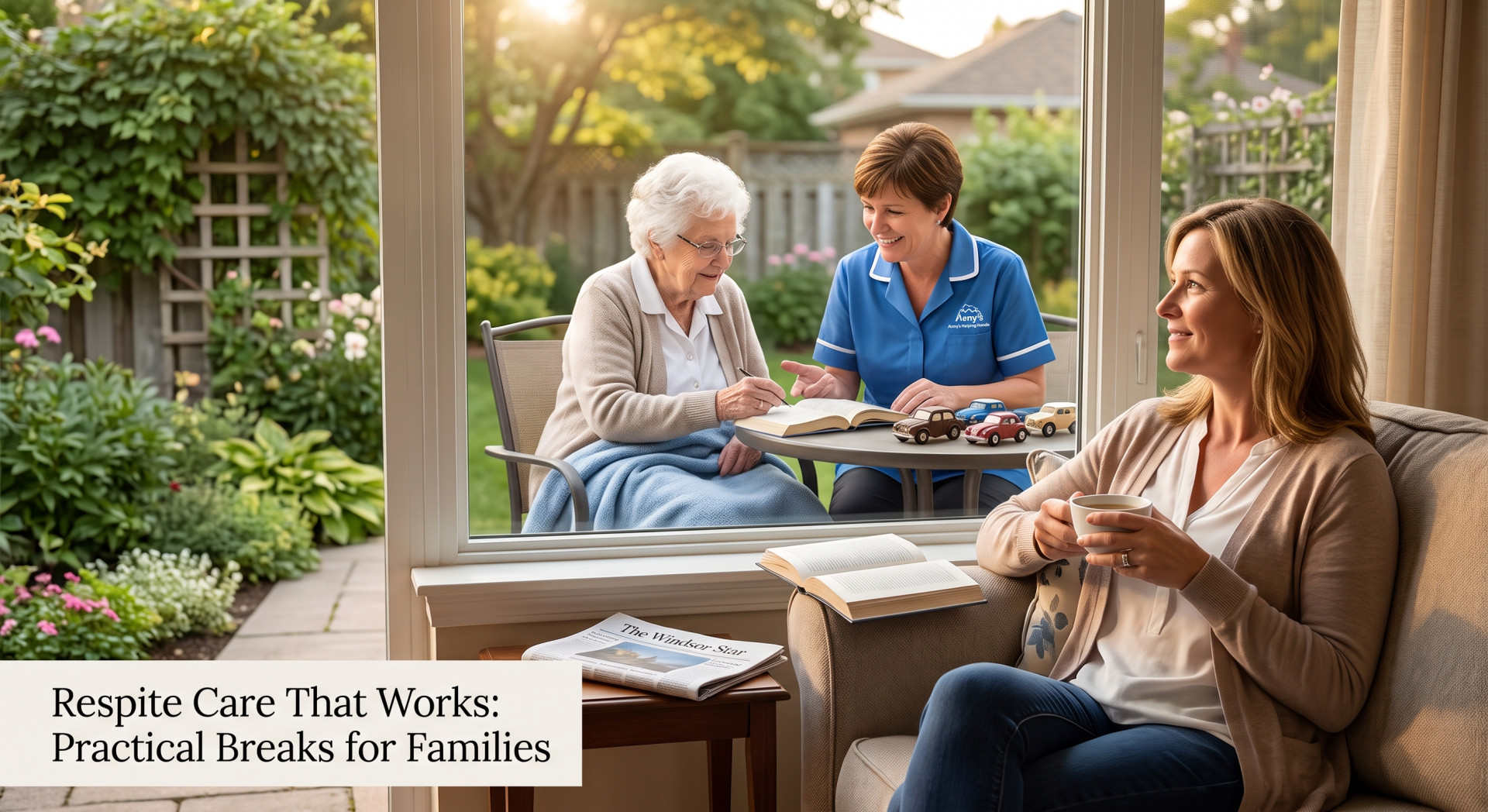
When a parent or loved one is diagnosed with Alzheimer’s or dementia, one of the most heartbreaking changes is the gradual shift in how you communicate with them. Conversations that used to flow easily over a cup of coffee can suddenly become minefields of confusion, repetition, and frustration.
If you find yourself losing your patience and then immediately feeling guilty about it, please take a deep breath. You are doing a great job in a very difficult situation.
This frustration is not your fault, and it isn't theirs. Dementia physically alters how the brain processes language, memory, and emotion. To reduce the stress in your home and maintain a loving connection with your parent, you have to learn a new way of speaking.
Here are 8 simple, effective strategies to help you communicate more gently and effectively with a loved one experiencing cognitive decline.
1. Step Into Their Reality (Stop Correcting)
If your mother insists she needs to go pick up her young children from school, telling her that her kids are grown will only cause her panic and confusion. Instead of correcting her, validate her feelings. Step into her reality by saying, "You are such a good mother. Tell me about your favorite memories of us when we were little." Arguing cannot fix a broken memory; it only breeds anxiety.
2. Mind Your Body Language
People with dementia often lose their ability to understand words, but they remain incredibly sensitive to non-verbal cues. If you are standing over them with your arms crossed and a tight jaw, they will feel threatened—even if your words are kind. Maintain a relaxed posture, sit at their eye level, and keep your facial expressions soft and reassuring.
3. Eliminate Background Noise
A brain affected by dementia struggles to filter out distractions. If the television is blaring or the radio is on, they may not be able to process what you are saying. Before starting a meaningful conversation or asking them to do a task, turn off the TV, close the door to noisy hallways, and ensure you have their full attention.
4. Ask Simple, "Yes or No" Questions
Open-ended questions can feel like an overwhelming pop quiz. Instead of asking, "What do you want for lunch?" (which requires them to remember what is in the fridge and formulate an answer), give them clear, simple choices. Try asking, "Would you like a turkey sandwich or soup?" or simply, "Are you hungry for some soup?"
5. Break Down Tasks into Single Steps
If you ask your dad to "Go upstairs, brush your teeth, and put your pajamas on," he may freeze because that is too much information to process at once. Instead, guide him one step at a time. "Dad, let's walk upstairs." Once there: "Here is your toothbrush." ### 6. Avoid the Phrase "Do You Remember?" It is tempting to try and jog their memory, but asking "Don't you remember?" or "I just told you that five minutes ago" only highlights their cognitive deficit. It makes them feel defensive and embarrassed. If they forget something, simply supply the information gently, as if it’s the first time you are mentioning it.
7. Use Visual Cues
When words fail, visuals help bridge the gap. If you are asking them to put on their shoes, point to the shoes. If it’s time to eat, bring out a plate. Demonstrating the action you want them to take is often much easier for them to mimic than following verbal instructions.
8. Respond to the Emotion, Not the Words
Sometimes, a person with dementia will say things that make absolutely no sense, or they may use angry, hurtful words out of nowhere. Try to listen past the words to the emotion behind them. If they are aggressively pacing and yelling about someone stealing their purse, they are likely expressing fear and insecurity. A gentle hug and saying, "You are safe here, I will help you look for it," addresses the emotion rather than the illogical accusation.
You Don't Have to Navigate This Alone
Caring for someone with Alzheimer’s or dementia is a profoundly heavy emotional lift. It requires constant patience, specialized communication skills, and an immense amount of energy.
As a family-owned agency right here in Windsor-Essex, Amy's Helping Hands has years of experience providing compassionate, specialized dementia care. Whether you need someone to step in for a few hours so you can recharge, or you need consistent daily support to keep your parent safe at home, our trained caregivers are here to help.
Take a deep breath. Let our family support yours. Fill out our Start Care Now form or give us a call today to arrange a free, in-home care assessment.