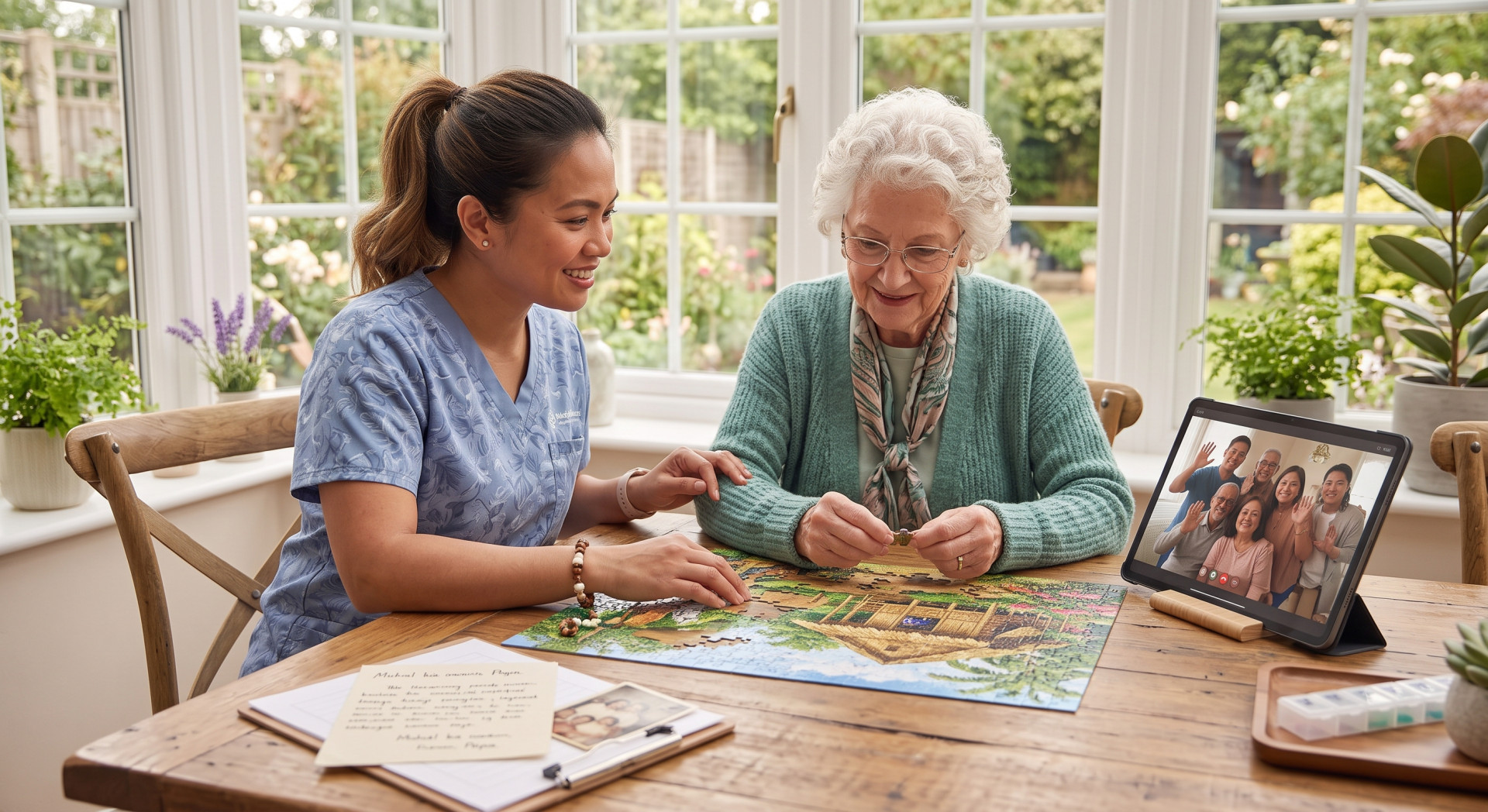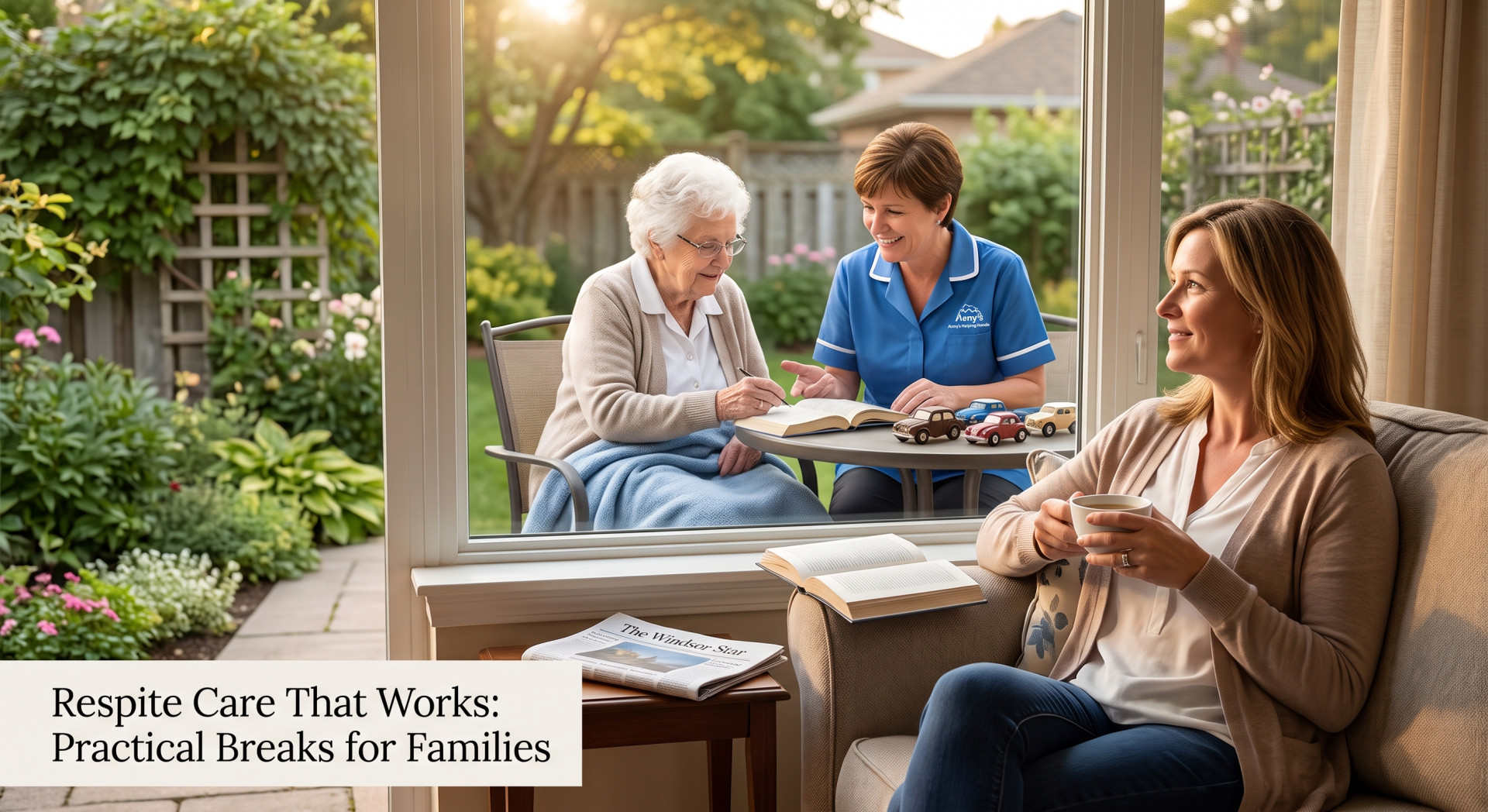
Putting Them in Charge: How Giving Seniors Control Reduces Home Care Refusal As adult children, we often operate in "fix-it" mode. We see our parents struggling, so we immediately jump into action to solve the problem. We research local Windsor-Essex care agencies, look at budgets, and create a schedule.Then, we go to our parents and say, "I hired someone to come on Tuesdays and Thursdays from 9 to 1."And they say, "Absolutely not."Why? Because nobody likes being told what to do in their own home. When you make all the decisions without their input, they feel like they are being treated like a child. The fastest way to reduce resistance to home care is to empower your parent by giving them choices.The Illusion (and Reality) of ControlSeniors lose a lot of control as they age. They may lose the ability to drive, to work, or to move without pain. Retaining control over who comes into their house is deeply important to them.How to involve them in the process:Give them a choice of days: "Dad, we've agreed someone is coming twice…
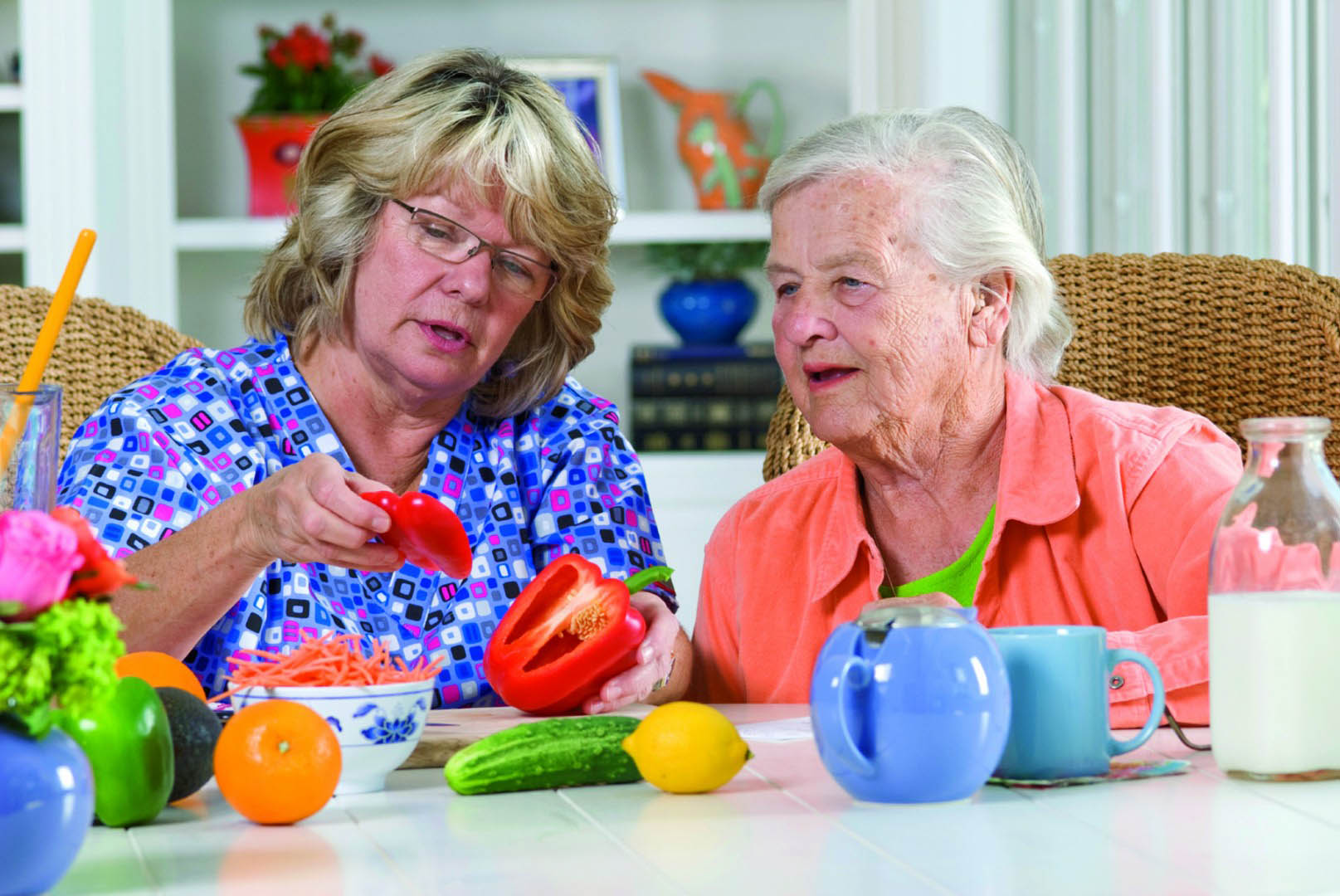
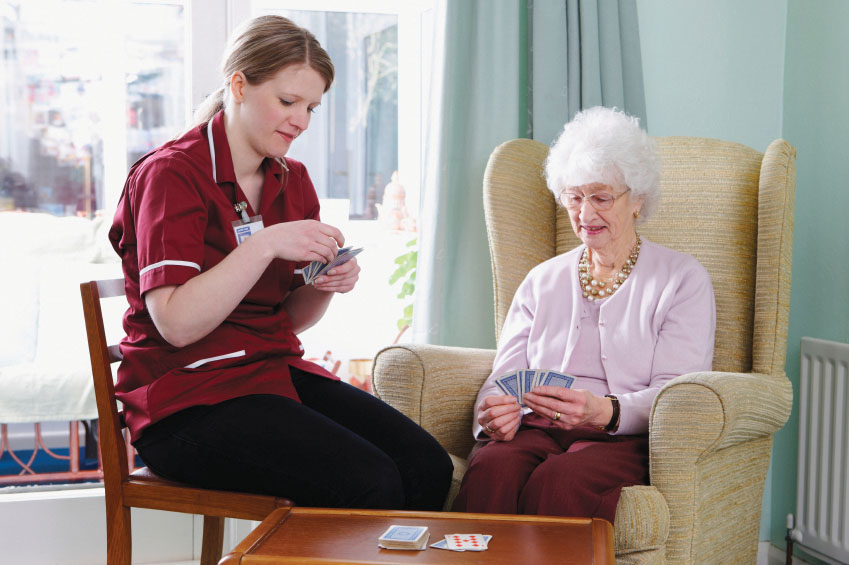
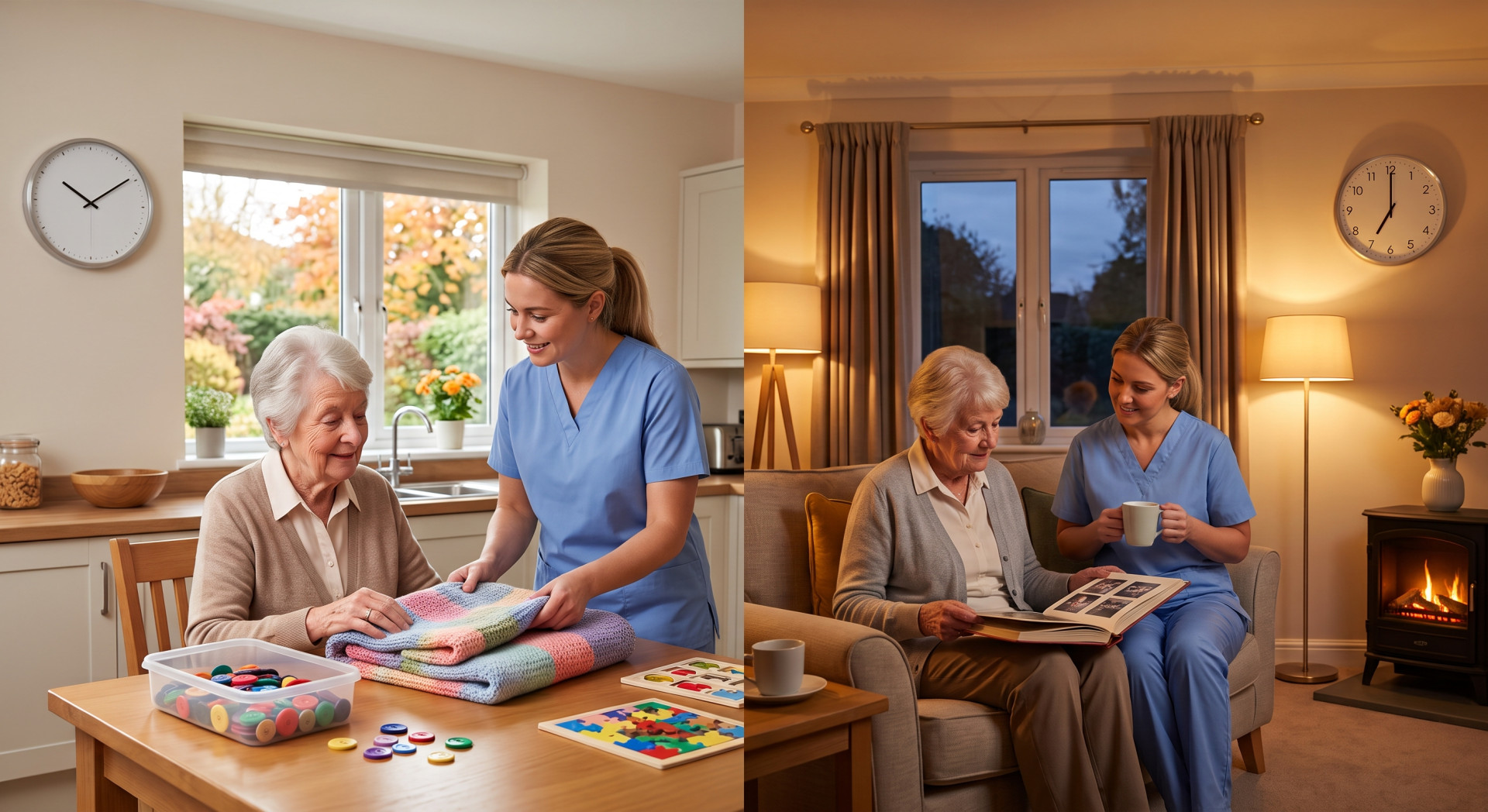
The Gentle Introduction: Why Starting with Companionship Eases Care Resistance Accepting help is an incredibly vulnerable process. If your aging mother or father is fiercely protective of their privacy, suggesting that they need assistance with personal tasks—like showering, dressing, or using the washroom—will almost certainly be met with a hard "no."To ease a resistant parent into the concept of home care, you need to start at the outer edges of their routine. We call this the gentle introduction, or the companionship approach.Focus on the Fun, Not the FrailtyInstead of introducing a "caregiver," introduce a "helper," a "driver," or a "friend." Most seniors, regardless of their health, are happy to accept a little extra company or a ride to the store, as long as it doesn't feel clinical.Safe, non-intrusive starting points:Meal Preparation: Having someone come by to chop vegetables, prepare a hot dinner, and sit down to eat it with them.Transportation and Errands: Having a driver to take them to their hair…
Doctor's Orders: Using Medical Authority to Ease the Home Care Transition No matter how old you get, how successful your career is, or how many children of your own you have raised, your parents will always view you as their kid.Because of this deeply ingrained dynamic, seniors often brush off their adult children's concerns about safety or health. They may view your well-meaning advice as nagging or overstepping. However, that dynamic changes completely when they are sitting in a medical clinic.If your parent refuses to listen to you about the need for home care, it is time to leverage the power of a "white coat."The "Doctor's Orders" StrategySeniors of this generation generally have a deep respect for medical professionals. If a doctor prescribes something, they do it. You can use this to your advantage by speaking with your parent’s doctor ahead of their next appointment.Steps to take:Call Ahead: Call the clinic a few days before the appointment. Let the doctor know your concerns (frequent falls, poor diet, missed medications)…
"Just Try It For 2 Weeks": Taking the Pressure Off Home Care Imagine someone told you that starting tomorrow, a stranger was going to be in your house every day, and you had no say in the matter. You would probably put up a fight, too.When introducing the idea of home care to an aging parent, the concept can feel overwhelming and permanent. To overcome this, you need to lower the stakes. The easiest way to do this is by proposing a "trial period."The Power of the Short-Term CommitmentWhen you present home care as a temporary experiment, it immediately lowers your parent's defenses. It gives them an "out" if they don't like it, which puts them back in the driver's seat.How to phrase it:"Dad, let's just try having someone come in to do the heavy cleaning for two weeks while I'm busy with my work project. If you hate it after two weeks, we will cancel it. No questions asked.""Mom, let's do a one-month trial of a meal prep service just to see how the food tastes. It’s completely temporary."Why…
The "Do It For Me" Strategy: A Breakthrough in Senior Care Conversations When trying to convince a stubborn parent to accept home care, the natural approach is to focus on their well-being. We say things like, "Mom, you need help with your medication," or "Dad, you aren't safe walking up these stairs alone."The problem with this approach is that it puts the senior on the defensive. It forces them to either agree that they are declining, or argue that they are perfectly fine.If you are stuck in this cycle, it’s time to try the "Do It For Me" strategy.Flip the ScriptYour parents are hardwired to care for you. If they know their refusal to accept help is actively harming your well-being, they are much more likely to compromise. By shifting the focus from their decline to your stress, you give them a graceful way to accept assistance without bruising their pride.Instead of saying: "You aren't eating well, you need someone to cook for you."Try saying: "Mom, I am losing sleep worrying about you being in the kitchen…
The Real Reason Mom Won't Accept Help (And How to Handle It) You drop by your parents' house and notice the laundry is piling up, the fridge is empty, and your dad seems unsteady on his feet. You gently suggest hiring someone to help out a few times a week, and immediately, the walls go up."I can manage just fine on my own. I don't want a stranger in my house."If this scenario sounds familiar, you are not alone. Adult children across Windsor and Essex County face this exact roadblock every day. When a senior vehemently refuses care, our first instinct is often to argue logic. We point out the safety risks. We point out their exhaustion. But logic rarely wins against deep-rooted emotions.Decoding the ResistanceTo have a productive conversation about home care, you first have to understand what your parent is actually hearing when you suggest it.When you say: "Let's get someone to help you cook and clean."They hear: "You are failing, you can't care for yourself anymore, and soon you'll have to leave your…